

Good Carder
Professional
- Messages
- 1,014
- Reaction score
- 691
- Points
- 113
Phreaking in 2026: From Cap’n Crunch Whistles and Blue Boxes to VoIP Toll Fraud, SS7/Diameter Signaling Risks, and Ethical Telecom Security Research – A Complete Historical, Technical, and Defensive Guide
Phone phreaking, the pioneering subculture of exploring, experimenting with, and sometimes manipulating telephone networks, originated in an era when the Public Switched Telephone Network (PSTN) relied on audible tones for signaling. By 2026, the analog foundations that made classic phreaking possible have been almost entirely replaced by digital, IP-based, encrypted, and AI-monitored systems. What was once accessible with a toy whistle or homemade tone generator is now impossible for casual hobbyists due to fundamental architectural shifts in global telecom infrastructure.
Important Disclaimer: This guide is strictly educational, historical, and defensive. It provides no instructions, tools, code, frequencies, configurations, or methods for unauthorized access, fraud, interception, or any illegal activity. Phreaking techniques that involve exploiting live carrier networks, bypassing billing, or accessing systems without permission violate laws worldwide and carry severe penalties including fines, imprisonment, and civil liability. Carriers deploy advanced monitoring, anomaly detection, and law enforcement partnerships. The spirit of curiosity that defined phreaking is best channeled today into ethical cybersecurity, bug bounty programs, red teaming, and defensive engineering. Any attempt to apply historical concepts to modern networks will fail technically and trigger alerts.
1. Comprehensive History of Phone Phreaking (1950s–1990s: The Analog Golden Age)
Phreaking traces its roots to the late 1950s when early experimenters discovered that the Bell System’s long-distance routing used in-band signaling — specific audio frequencies (Multi-Frequency or MF tones) sent over the same copper lines as voice traffic. The 2600 Hz tone, in particular, signaled a trunk line was idle and could be seized for control.- 1957–1960s Origins: Joe Engressia (later known as Joybubbles), a blind seven-year-old with perfect pitch, could whistle the 2600 Hz tone to disconnect calls and explore the network. David Condon experimented with toy whistles. These discoveries revealed how the system could be manipulated without physical access.
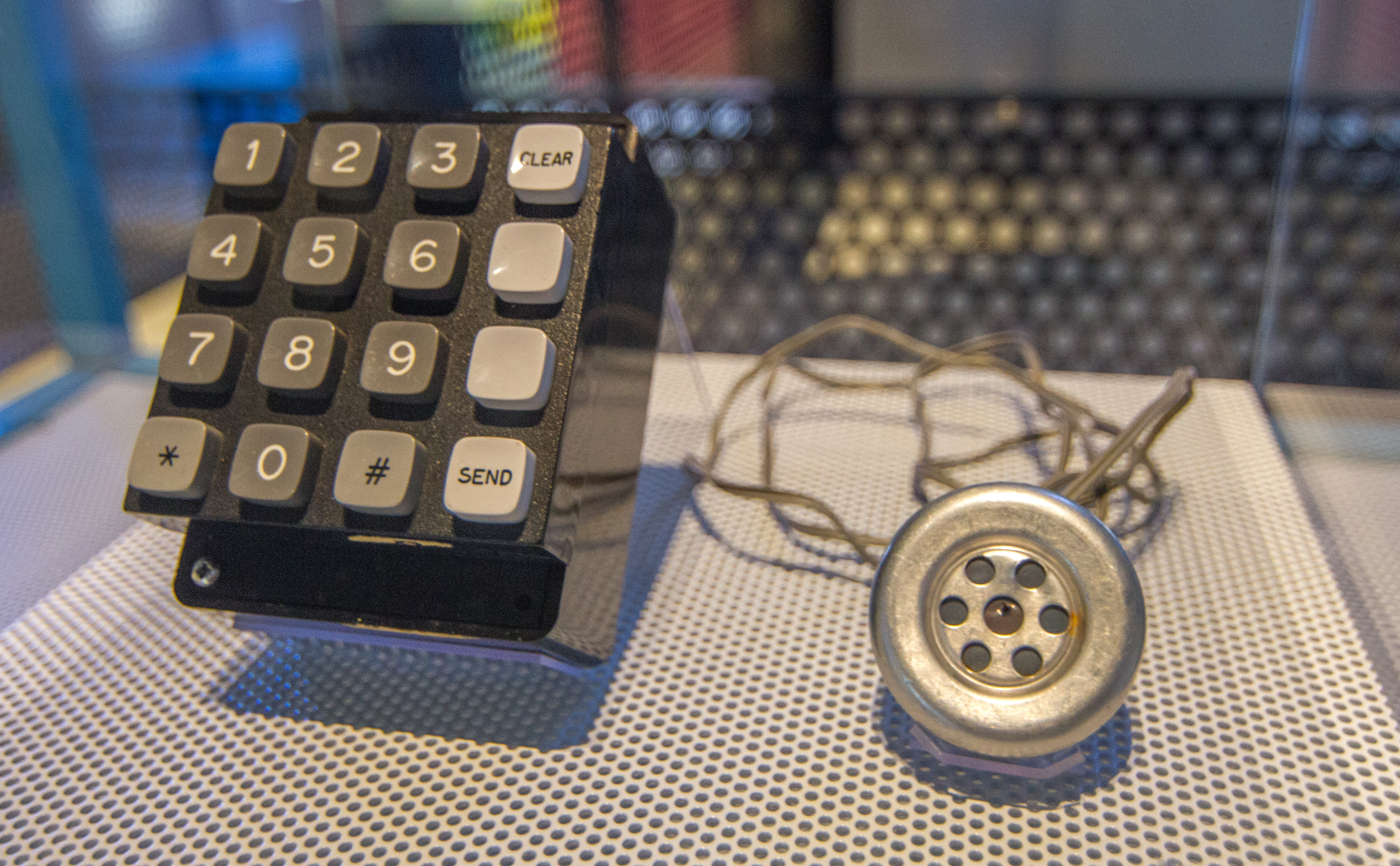
- 1970s Explosion: John Draper (“Captain Crunch”) popularized the technique using a free whistle from Cap’n Crunch cereal boxes that perfectly matched 2600 Hz. He and others built “blue boxes” — portable devices with tone generators that could mimic operator signals, route free long-distance calls, conference lines, or even access internal Bell System test numbers.
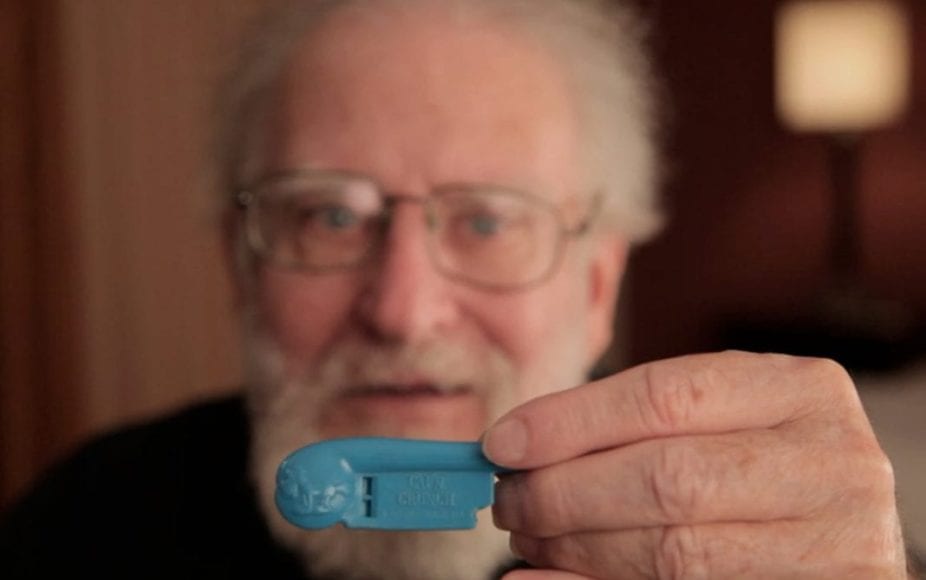
History of Hacking: John "Captain Crunch" Draper's Perspective
Other color-coded boxes emerged: red boxes (simulated coin drops for payphones), beige boxes (line taps), and more. Phreaks formed communities, published schematics in underground newsletters like YIPL (Youth International Party Line, later TAP), and explored “the network” as a vast, living system.
- Cultural Peak (1971): Ron Rosenbaum’s Esquire article “Secrets of the Little Blue Box” brought phreaking mainstream. It detailed how figures like Draper, along with future Apple co-founders Steve Jobs and Steve Wozniak (who sold blue boxes), turned curiosity into a counterculture movement. Organized crime groups also exploited the tech for profit, accelerating law enforcement crackdowns.
- 1980s–1990s Decline: AT&T and Bell Labs introduced out-of-band signaling (Signaling System 7 or SS7 in the U.S. and equivalents globally), moving control data to separate channels. Digital switches, fiber optics, and computer-controlled exchanges eliminated in-band vulnerabilities. Wardialers scanned for modems, but the phone network itself became far harder to manipulate audibly. High-profile arrests (including Draper’s) and the rise of computer hacking shifted focus. Phreaking culture influenced the broader hacker ethos seen at early DEF CON and in publications like 2600: The Hacker Quarterly.
Key cultural impact: Phreaking birthed hacker ethics debates (“information wants to be free” vs. theft of service) and directly inspired early personal computing pioneers.

Phreaking Out Ma Bell
2. The Technical Evolution: Why Classic Phreaking Became Technically Impossible
Early PSTN used in-band signaling: Voice and control tones shared the same path. A 2600 Hz tone could “seize” a trunk, then MF tone pairs (e.g., 700+900 Hz for digits) routed calls. This was efficient for 1960s electromechanical switches but inherently insecure.By the 1980s–2000s:
- SS7 (Signaling System No. 7): Out-of-band, packet-based signaling over a separate data network. It handles call setup, routing, billing, SMS, and roaming via messages between switches (Service Switching Points or SSPs), Signal Transfer Points (STPs), and Service Control Points (SCPs).
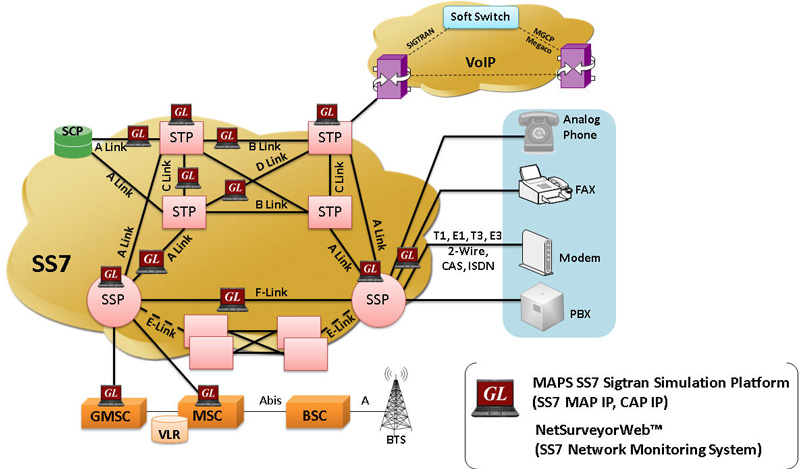
SS7 Analysis and Simulation
No more audible tones work because signaling is digital and segregated.
- VoIP and SIP Revolution (2000s–2010s): Voice became IP packets over the internet using Session Initiation Protocol (SIP) for signaling and RTP for media. Protocols like Diameter (SS7’s 4G/5G successor) and IMS (IP Multimedia Subsystem) handle mobile data.
- Modern 2026 Infrastructure: 5G Standalone uses Service-Based Architecture (SBA) with HTTP/2, TLS encryption, and zero-trust elements in some deployments. Legacy 2G/3G fallback exists in some regions, but carriers aggressively phase it out. eSIMs, AI fraud detection, and real-time billing analytics close remaining gaps.
Result: Tone generation apps or hardware today produce no effect on carrier networks. Any “phreaking” attempt is logged as anomalous traffic.
3. Phreaking in 2026: The Digital Landscape (“VoIPhreaking” and Signaling Research)
The term “phreaking” has evolved colloquially into VoIPhreaking — exploiting misconfigured VoIP/PBX systems — and advanced signaling research. These are not accessible to hobbyists and are primarily tools of organized fraud rings or state actors.- VoIP/PBX Toll Fraud and Related Threats: Businesses using cloud or on-prem PBX (e.g., Asterisk, FreePBX, Cisco, Avaya) remain targets. Attackers scan for exposed SIP ports, brute-force weak credentials, or exploit default configs to register extensions and pump international calls (IRSF — International Revenue Share Fraud). Losses remain in the tens of billions globally annually.
- Signaling Protocol Research (SS7/Diameter/5G): These protocols retain trust-based interconnect models between carriers. Researchers and advanced actors have demonstrated (in controlled or reported scenarios) location tracking, SMS interception, or call redirection via roaming links. In 2025–2026, SS7/Diameter vulnerabilities persist in international roaming and legacy fallback, though major carriers deploy firewalls, rate limiting, and anomaly detection.
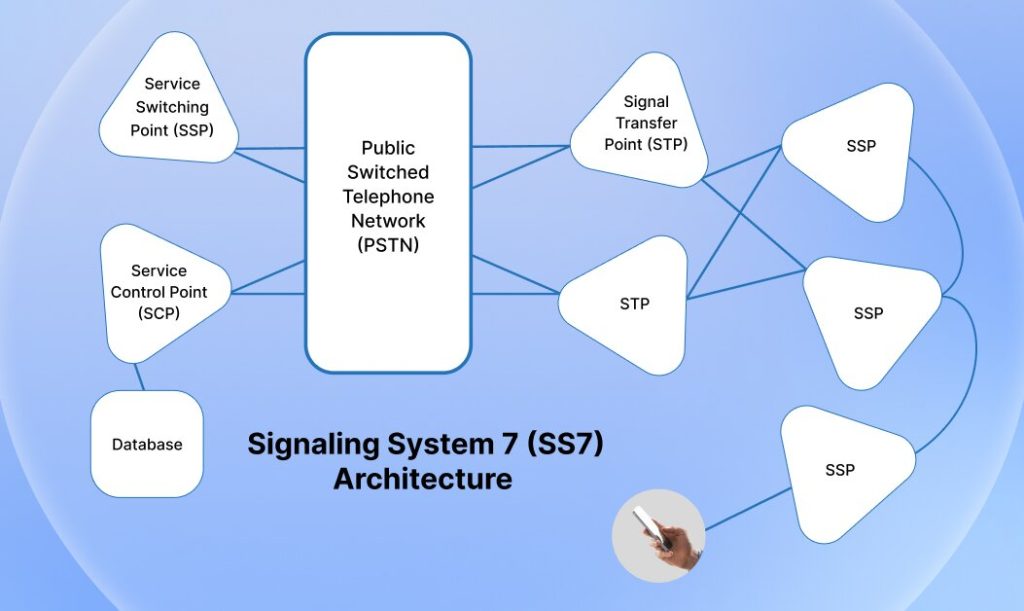
What is Signaling System 7 (SS7)? A Definitive Guide.
5G improves privacy (e.g., SUCI encrypted subscriber IDs) but interworking with older systems creates residual risks.
- Related 2026 Threats (Not Classic Phreaking): Vishing (voice phishing with AI deepfakes), SIM swapping, spyware (Pegasus-like), and robocall/DDoS floods dominate headlines. Device-level and social engineering attacks far outpace network signaling exploits for average users.
Casual attempts at 1970s methods yield nothing except possible account flags or legal notice.
4. Real-World Impacts, Statistics, and Case Studies (2024–2026 Data)
- Toll fraud and VoIP breaches rose ~47% since 2024, with global telecom fraud estimated at $39–50+ billion yearly (CFCA and industry reports).
- SS7/Diameter incidents: Documented by researchers and CISA (e.g., unauthorized location queries via Provide Subscriber Information or Send Routing Information messages). U.S. carriers report mitigations, but international interconnects remain a vector.
- High-profile examples include enterprise PBX compromises generating thousands in fraudulent international calls overnight, often to premium-rate numbers in Eastern Europe or Asia.
These incidents drive billions in losses and regulatory scrutiny.
5. Legal and Ethical Realities Worldwide
Unauthorized telecom manipulation is a federal crime in the U.S. (18 U.S.C. § 1029, § 1030), with equivalents in the EU (Directive 2013/40/EU), UK Computer Misuse Act, and most nations. Carriers share data with authorities via CALEA and international agreements. Even “testing” without permission can lead to prosecution. Ethical alternatives (bug bounties from telcos/VoIP vendors, responsible disclosure) are rewarded.6. Ethical & Legitimate Ways to Explore Telecom in 2026 (Step-by-Step Legal Learning Path)
Channel curiosity responsibly:- Study Public Documentation: Read RFCs (e.g., SIP RFC 3261), GSMA IR.21 roaming specs, and 3GPP standards.
- Build a Private Lab(High-Level Overview Only):
- Install a free open-source PBX like Asterisk or FreePBX on a virtual machine or Raspberry Pi in an isolated network (no internet exposure initially).
- Configure softphones (e.g., Zoiper, MicroSIP) for internal testing.
- Use Wireshark to capture and analyze your own SIP/RTP traffic.
- Add virtual trunks from providers that allow test accounts (never production systems).
- Practice Ethical Tools: Learn protocol analyzers, vulnerability scanners (on your lab only), and CTF challenges.
- Engage Communities: Attend DEF CON Telecom Village (historical demos, 5G pentesting talks), subscribe to 2600 magazine, or join r/phreaking for discussion of history only.
- Pursue Certifications/Careers: OSCP, CCNA Voice (legacy), or telecom security tracks lead to red-team or carrier security roles.
7. In-Depth Defensive Guide for 2026: Protecting Yourself, Your Business, and Systems
For Individuals (Step-by-Step):- Enable automatic OS/security updates on all devices.
- Use app-based 2FA (not SMS) wherever possible; enable SIM PIN and eSIM where available.
- Monitor phone bills monthly for anomalies; use carrier apps for real-time usage alerts.
- Install reputable mobile security suites with anti-phishing and behavior monitoring.
- Avoid public Wi-Fi for calls; prefer end-to-end encrypted apps (Signal, WhatsApp).
For Businesses Using VoIP/PBX (Step-by-Step Hardening):

VOIP PBX Diagram
- Enforce strong, unique credentials with MFA for admin portals and SIP endpoints.
- Implement IP whitelisting, TLS/SRTP encryption, and fail2ban-style rate limiting.
- Deploy call pattern analytics (alert on sudden international spikes, off-hours activity).
- Regularly audit logs with SIEM tools; segment VoIP VLANs from data networks.
- Choose providers with built-in fraud detection and insurance.
- Conduct annual penetration tests by certified professionals.
For Carriers/Advanced Operators: Deploy SS7/Diameter firewalls, STIR/SHAKEN for caller-ID, and AI-driven signaling anomaly detection. Phase out legacy interconnects.
8. Future Outlook for 2026 and Beyond
5G/6G will add more encryption and privacy features, but expanded attack surfaces (IoT, private networks) may create new vectors. AI will power both better fraud detection and more sophisticated vishing. Quantum-resistant cryptography is on the horizon. The “phreaking” ethos survives in ethical hacking communities pushing for stronger standards.9. Extensive Resources for Further (Legal) Study
- Books: Exploding the Phone by Phil Lapsley (definitive phreaking history); The Hacker Crackdown by Bruce Sterling; general cybersecurity classics like Hacking: The Art of Exploitation.
- Online: Wikipedia “Phreaking” page; historyofphonephreaking.org; 2600.com; DEF CON archives; 3GPP/GSMA specs.
- Media: Documentaries on early phreaks; YouTube historical talks (e.g., “The History of Phone Phreaking 1960-1980”).
- Communities: Ethical hacking forums, bug bounty platforms (HackerOne, Bugcrowd) with telecom programs.
Phreaking in 2026 is a fascinating chapter in tech history that reminds us how curiosity drives innovation — when paired with ethics and legality. Focus on building secure systems rather than breaking them. Stay curious, stay legal, and consider a career in cybersecurity where you can explore networks responsibly every day. If you have a specific historical or defensive angle you’d like expanded, provide more details!


