

CarderPlanet
Professional
- Messages
- 2,549
- Reaction score
- 746
- Points
- 113
Have you ever reproached yourself for the fact that a witty answer to someone's attack comes to mind only after a few hours? Probably, at such moments you consider yourself a blunt? Never mind, the guy we'll talk about today continued to fight 30 years after the end of the war. And he was even given a reward.
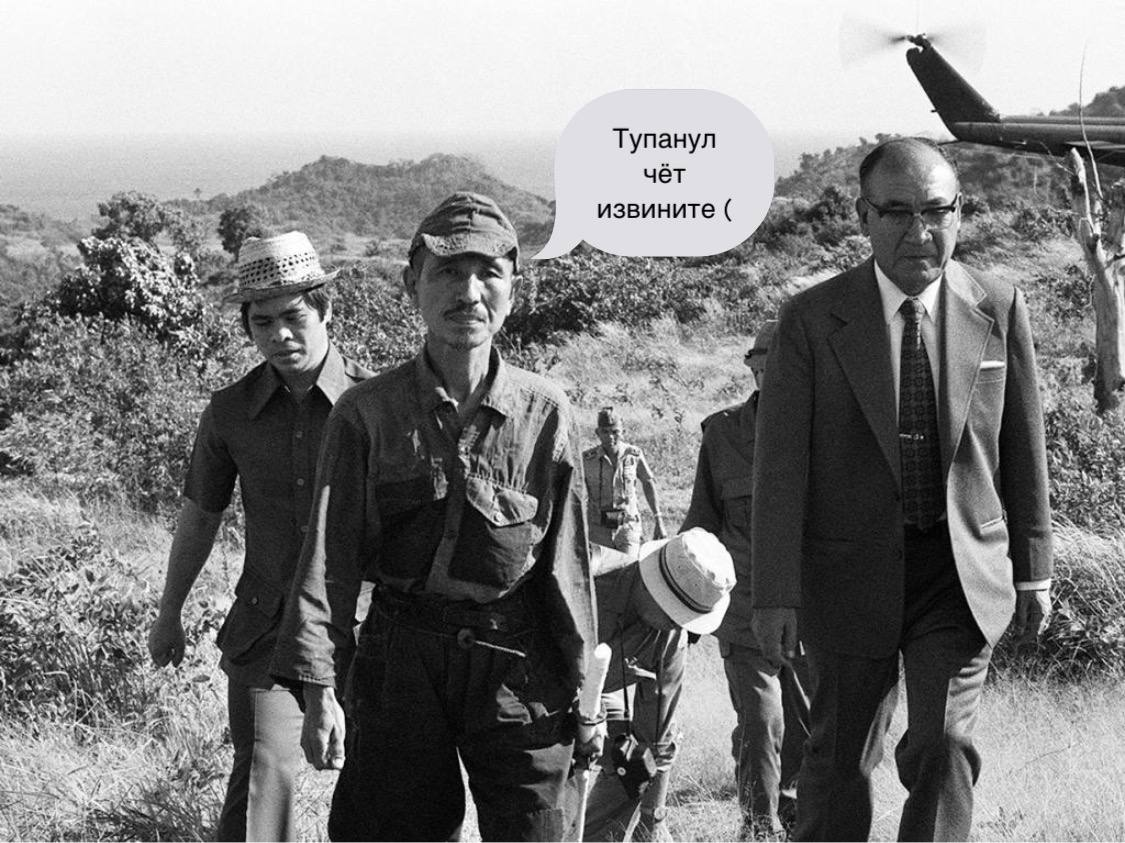
So, the 40s, the war. Japan is at war with America. The Lieutenant General of the Japanese Armed Forces ordered his saboteurs to continue their missions at any cost, even if they had to operate without communications for many years. For partisans, this is normal - it may happen that you will not have contact with the headquarters for a long time. But only in 1974, the former commander of Onoda (this is the name of our hero), will specially fly to the Philippines for this to convince the gallant soldier that the war has already ended. Because except for the commander, this soldier did not trust anyone.
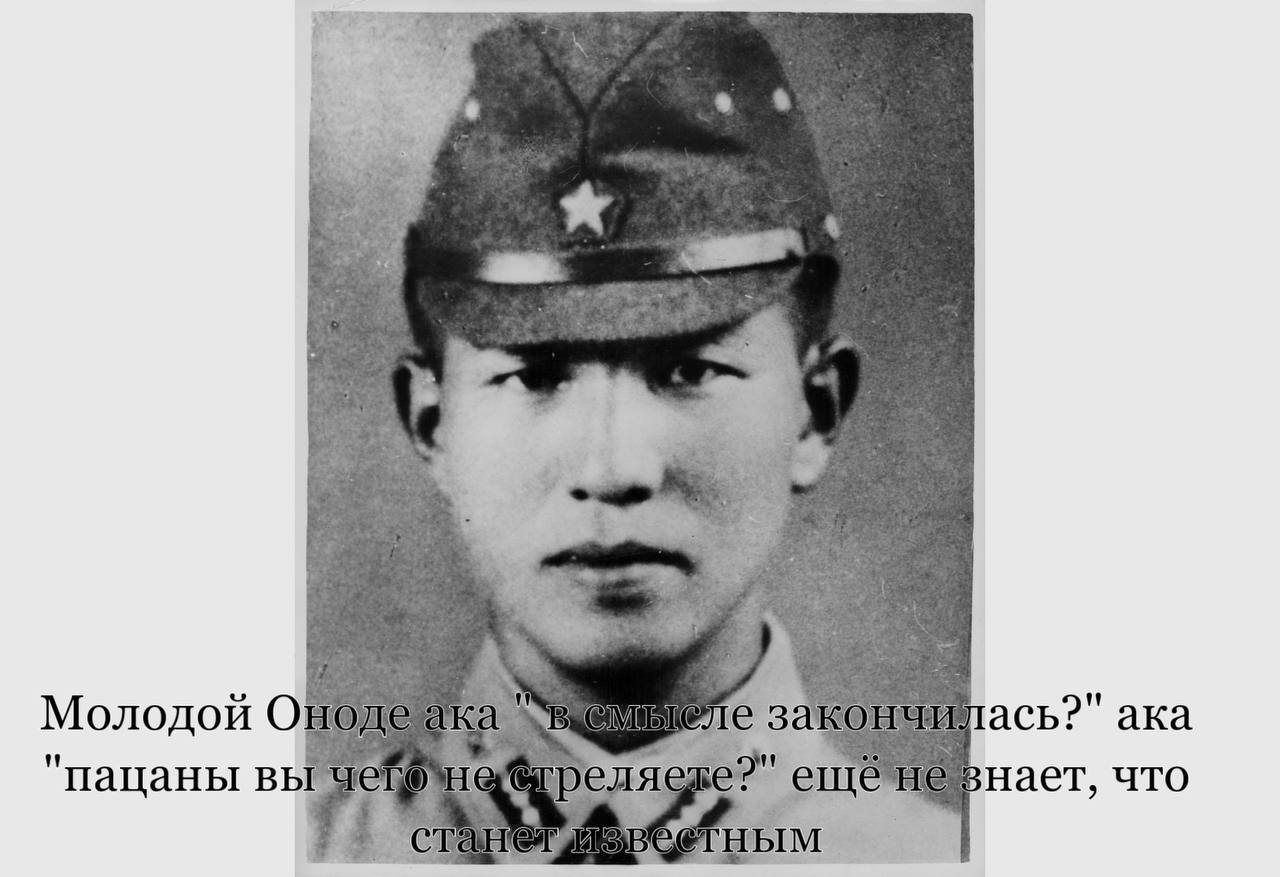
So, our sayonara battle, Mr. Onoda got a junior lieutenant and went to the Philippine island of Lubang, where his Japanese comrades were killed.
On February 28, 1945, the Americans landed on the island and killed everyone, so our samurai took three soldiers and went into the jungle. But no, he did not coward - he began to wage a partisan war.
And already on September 2 of the same 1945, the Japanese Foreign Minister, together with the chief of staff, signed the act of Japan's unconditional surrender, right on board the American battleship.
How to announce the end of the war if there was no news site at that time?
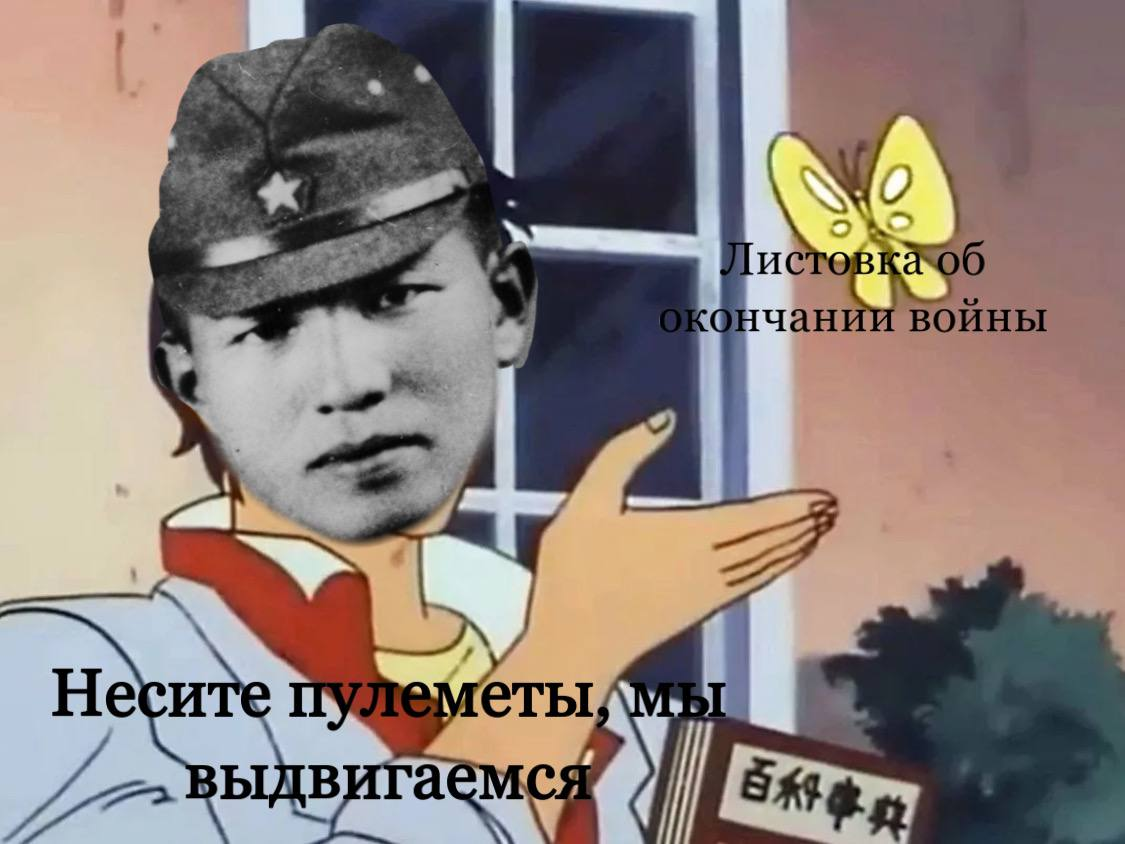
The Americans scattered leaflets over the Philippine island announcing the end of the war. And as a consequence, the need for Japanese soldiers to lay down their arms.
But Onoda studied well and knew what military disinformation was.
One of the fighters in his group (there were two more with him, if you remember) surrendered and calmly returned home to Japan. In Japan, they are a little crazy: everyone has long believed Onoda and his squad are dead. We quickly assembled a search operation, scoured the jungle, but they did not find them (they themselves taught how to hide well, you see) All this time Onoda and his friends ate fruits and rats, sometimes they killed cows.
In 1972, our samurai opened fire on the Philippine police. Then the second of Onoda's detachment died. Japan sent a search group again, but the junior lieutenant, ̶m̶a̶l̶̶ch̶i̶k̶ ̶m̶o̶l̶o̶d̶o̶y̶, ̶ ̶v̶s̶e̶ ̶h̶o̶ty̶ya̶t̶ ̶p̶o̶t̶a̶n̶ts̶e̶v̶a̶t̶̶ Onoda again
For all 30 years, Onoda committed a bunch of robberies (this word is perfect, because the war is over), he and a team of two killed about 30 American and Filipino cops and wounded almost 100. But Onoda was released (although the execution was inevitable here), he gave his samurai sword to the President of the Philippines, and finally calmed down. And he was even awarded several times.
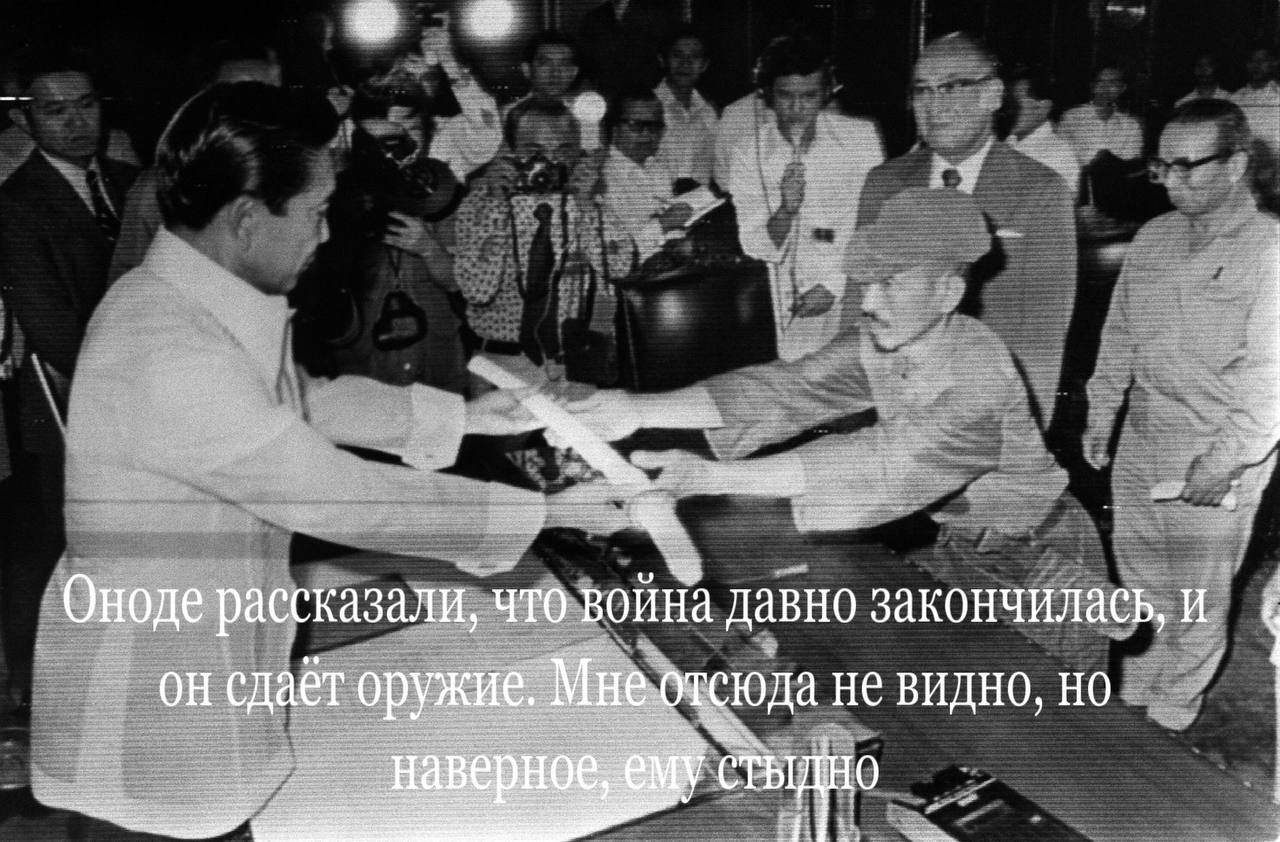
Then he flew to Brazil, where he made himself a ranch, wrote a book about survival in the forest, and taught the same survival to children, until he quietly died in 2014, two months before he was 92 years old.
So, the 40s, the war. Japan is at war with America. The Lieutenant General of the Japanese Armed Forces ordered his saboteurs to continue their missions at any cost, even if they had to operate without communications for many years. For partisans, this is normal - it may happen that you will not have contact with the headquarters for a long time. But only in 1974, the former commander of Onoda (this is the name of our hero), will specially fly to the Philippines for this to convince the gallant soldier that the war has already ended. Because except for the commander, this soldier did not trust anyone.
So, our sayonara battle, Mr. Onoda got a junior lieutenant and went to the Philippine island of Lubang, where his Japanese comrades were killed.
On February 28, 1945, the Americans landed on the island and killed everyone, so our samurai took three soldiers and went into the jungle. But no, he did not coward - he began to wage a partisan war.
And already on September 2 of the same 1945, the Japanese Foreign Minister, together with the chief of staff, signed the act of Japan's unconditional surrender, right on board the American battleship.
How to announce the end of the war if there was no news site at that time?
The Americans scattered leaflets over the Philippine island announcing the end of the war. And as a consequence, the need for Japanese soldiers to lay down their arms.
But Onoda studied well and knew what military disinformation was.
One of the fighters in his group (there were two more with him, if you remember) surrendered and calmly returned home to Japan. In Japan, they are a little crazy: everyone has long believed Onoda and his squad are dead. We quickly assembled a search operation, scoured the jungle, but they did not find them (they themselves taught how to hide well, you see) All this time Onoda and his friends ate fruits and rats, sometimes they killed cows.
In 1972, our samurai opened fire on the Philippine police. Then the second of Onoda's detachment died. Japan sent a search group again, but the junior lieutenant, ̶m̶a̶l̶̶ch̶i̶k̶ ̶m̶o̶l̶o̶d̶o̶y̶, ̶ ̶v̶s̶e̶ ̶h̶o̶ty̶ya̶t̶ ̶p̶o̶t̶a̶n̶ts̶e̶v̶a̶t̶̶ Onoda again
For all 30 years, Onoda committed a bunch of robberies (this word is perfect, because the war is over), he and a team of two killed about 30 American and Filipino cops and wounded almost 100. But Onoda was released (although the execution was inevitable here), he gave his samurai sword to the President of the Philippines, and finally calmed down. And he was even awarded several times.
Then he flew to Brazil, where he made himself a ranch, wrote a book about survival in the forest, and taught the same survival to children, until he quietly died in 2014, two months before he was 92 years old.


