

Tomcat
Professional
- Messages
- 2,695
- Reaction score
- 1,072
- Points
- 113
A plastic card with a magnetic stripe. There are three tracks on the magnetic stripe, on which information is recorded. Usually one track is used - the second. In some cases, for example, when creating payment bank cards, you have to use all three tracks. Only Latin letters can be written on the magnetic stripe.
Plastic card printers are used to print on plastic cards with a magnetic stripe . In addition to printing, printers can be equipped with a magnetic stripe encoder module (a device for recording information on a magnetic stripe).
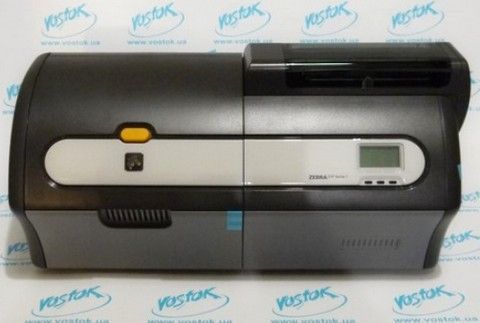
The magnetic stripe is a storage medium with a limited amount of memory. Magnetic stripe cards are distinguished by the strength of the magnetic field: LoCo (Low Coercitive - low coercivity, uses a current of 300 Oersted) and HiCo (High Coercitive - high coercive, uses a current of 2750 Oersted). The difference between the described subspecies is in reliability and durability. HiCo cards significantly outperform their LoCo counterparts in these criteria. HiCo cards are more expensive and are used only when it is necessary to protect information and use it for a long period of time. However, in some cases it is more cost effective to use cards with a LoCo field. As, for example, in the manufacture of discount cards, which are used relatively rarely and for a limited period of time.
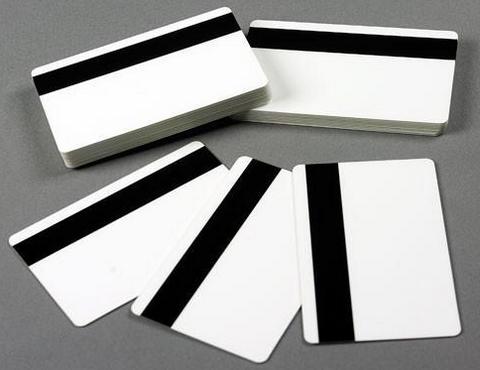
The information is read using a special device - a card reader. The standard magnetic stripe is 4 mm from the top or bottom of the card and is 12.5 mm (0.5 inches) wide.
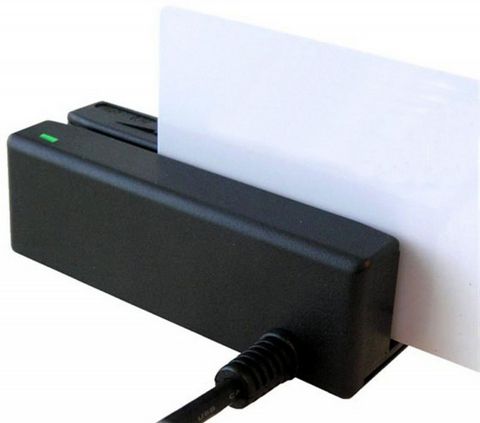
There are three tracks on the magnetic stripe, on which information is recorded. Usually one track is used - the second.
In some cases, for example, when creating payment bank cards, you have to use all three lanes. Only Latin letters can be written on the magnetic stripe; an attempt to write Cyrillic characters will cause an error.
1 track . Allowed to write numbers and letters, occupying no more than 76 positions. Allowed QWERTYUIOPASDFGHJKLZXCVBNM1234567890 characters:; = + () - '- (key “' E)! @ # ^ & * <> / (note that only uppercase letters are allowed). At the beginning of the line is "%", and at the end of the line "?" (means the end of the recording on the strip).
2 track . Allowed to write numbers (1234567890), as well as the "=" sign, occupying no more than 37 positions. All spaces are replaced with "+", and "?" means the end of the recording on the strip. At the beginning of the line, the sign ";" is put.
Track 3 . Allowed to write numbers (1234567890), as well as the "=" sign, occupying no more than 104 positions. All spaces are replaced with a "+" sign. As in the previous two cases, signs are placed at the beginning and at the end of the line: "_" and "?" respectively.
Plastic card printers are used to print on plastic cards with a magnetic stripe . In addition to printing, printers can be equipped with a magnetic stripe encoder module (a device for recording information on a magnetic stripe).
The magnetic stripe is a storage medium with a limited amount of memory. Magnetic stripe cards are distinguished by the strength of the magnetic field: LoCo (Low Coercitive - low coercivity, uses a current of 300 Oersted) and HiCo (High Coercitive - high coercive, uses a current of 2750 Oersted). The difference between the described subspecies is in reliability and durability. HiCo cards significantly outperform their LoCo counterparts in these criteria. HiCo cards are more expensive and are used only when it is necessary to protect information and use it for a long period of time. However, in some cases it is more cost effective to use cards with a LoCo field. As, for example, in the manufacture of discount cards, which are used relatively rarely and for a limited period of time.
The information is read using a special device - a card reader. The standard magnetic stripe is 4 mm from the top or bottom of the card and is 12.5 mm (0.5 inches) wide.
There are three tracks on the magnetic stripe, on which information is recorded. Usually one track is used - the second.
In some cases, for example, when creating payment bank cards, you have to use all three lanes. Only Latin letters can be written on the magnetic stripe; an attempt to write Cyrillic characters will cause an error.
1 track . Allowed to write numbers and letters, occupying no more than 76 positions. Allowed QWERTYUIOPASDFGHJKLZXCVBNM1234567890 characters:; = + () - '- (key “' E)! @ # ^ & * <> / (note that only uppercase letters are allowed). At the beginning of the line is "%", and at the end of the line "?" (means the end of the recording on the strip).
2 track . Allowed to write numbers (1234567890), as well as the "=" sign, occupying no more than 37 positions. All spaces are replaced with "+", and "?" means the end of the recording on the strip. At the beginning of the line, the sign ";" is put.
Track 3 . Allowed to write numbers (1234567890), as well as the "=" sign, occupying no more than 104 positions. All spaces are replaced with a "+" sign. As in the previous two cases, signs are placed at the beginning and at the end of the line: "_" and "?" respectively.


