
You are using an out of date browser. It may not display this or other websites correctly.
You should upgrade or use an alternative browser.
You should upgrade or use an alternative browser.
Wire transfer:
Bill pay:
I will post a manual on ACH transfer soon.
BEFORE YOU PURCHASE A BANK LOG FOR WIRE TRANSFER, MAKE SURE IT COMES WITH EMAIL ACCESS.
USE RDP. ITS ALWAYS THE BEST.
RECEIVING ACCOUNT CAN BE INTERNATIONAL(I Go for Australia or USA)
Step 1:
Buy a Good bank log with email and pass.
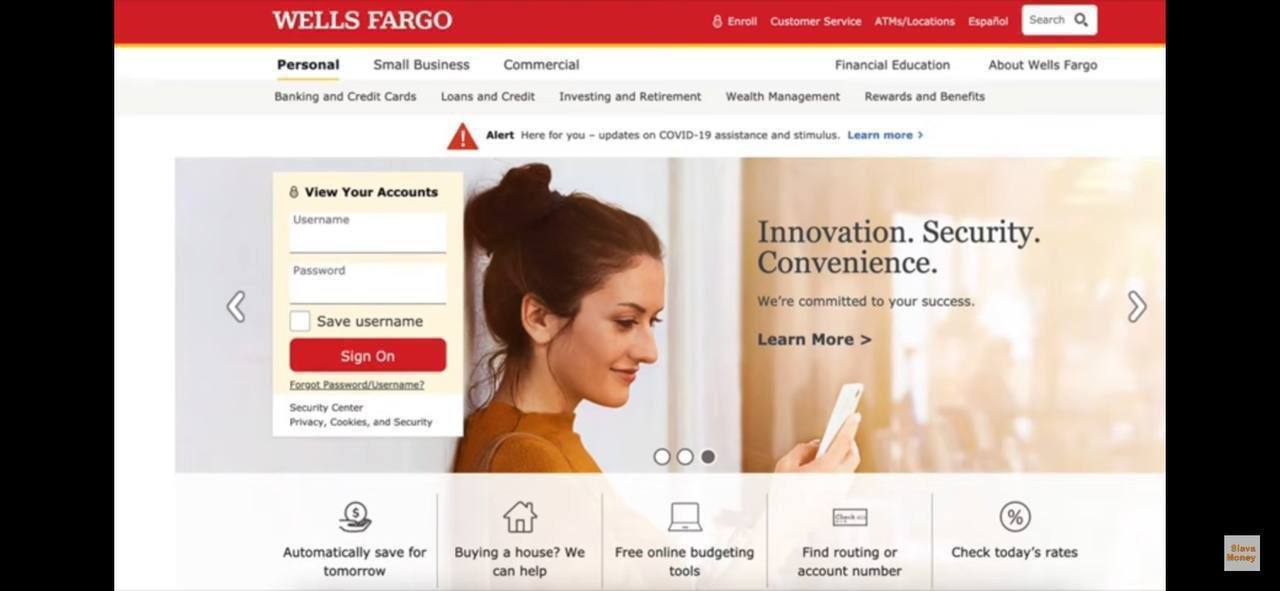
Go to the homepage and log in.
Make sure you have your RDP or 911 connected to the IP or Zipcode of the bank log
- Once you are logged in. Click on “Transfer & Pay”

- Then click on “Wire Money”

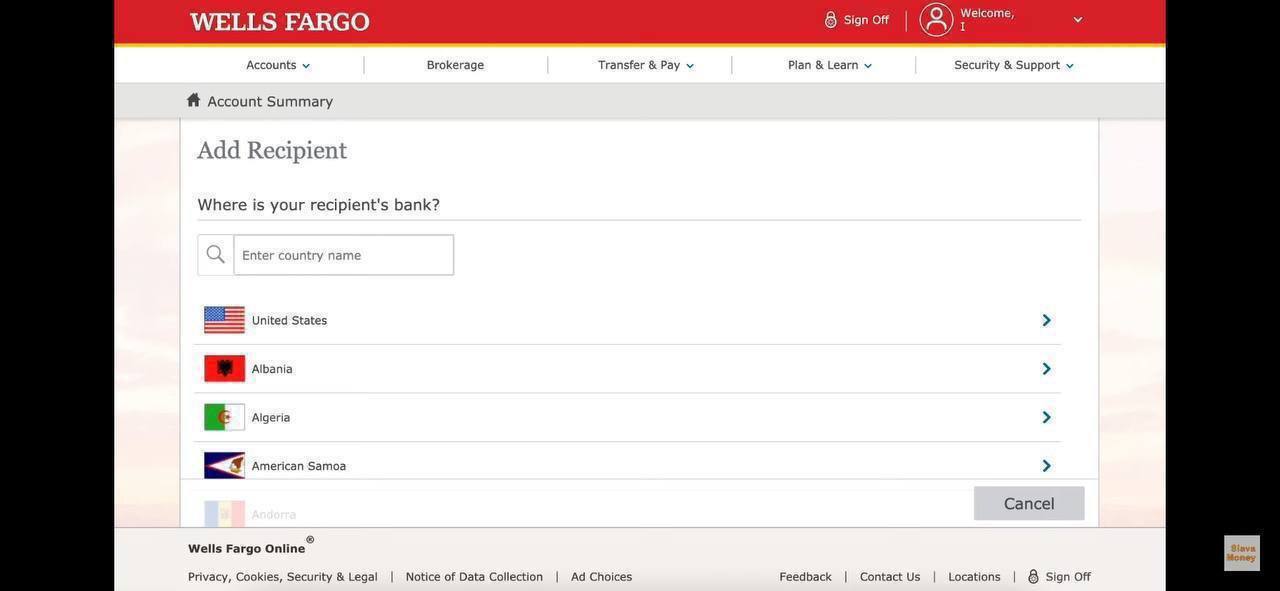
Find the country of the bank you want to wire the money into.( Preferably I do Australia or USA Accounts )
We are...
USE RDP. ITS ALWAYS THE BEST.
RECEIVING ACCOUNT CAN BE INTERNATIONAL(I Go for Australia or USA)
Step 1:
Buy a Good bank log with email and pass.
Go to the homepage and log in.
Make sure you have your RDP or 911 connected to the IP or Zipcode of the bank log
- Once you are logged in. Click on “Transfer & Pay”
- Then click on “Wire Money”
Find the country of the bank you want to wire the money into.( Preferably I do Australia or USA Accounts )
We are...
- Big
- bank carding bank transfer best carding forum carder uk carding carding 2023 carding forum pro carder wire transfer
- Replies: 6
- Forum: Bank Carding

Bill pay:
Below is the step-by-step method I followed to load a Capital One credit card. Before we go to the actual tut, let run a summary of how the job is run.
SUMMARY
⦁ Log into the credit card
⦁ Click on Make a Payment
⦁ You will be asked to add payment source
⦁ Get a bank login from log shop
⦁ Go back to credit card and add log info
⦁ Click on pay bill
⦁ Write amount and Pay
⦁ Next day, google the toll free number, call with VoIP number and ask them to release payment.
METHOD;
⦁ Log into the credit card.
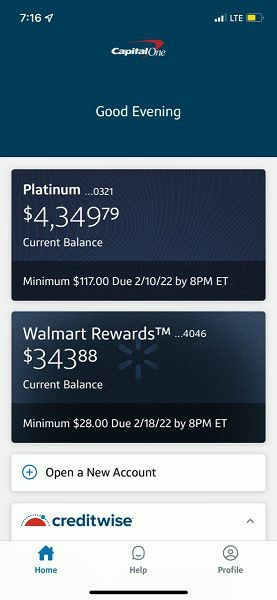
⦁ Click on make...
SUMMARY
⦁ Log into the credit card
⦁ Click on Make a Payment
⦁ You will be asked to add payment source
⦁ Get a bank login from log shop
⦁ Go back to credit card and add log info
⦁ Click on pay bill
⦁ Write amount and Pay
⦁ Next day, google the toll free number, call with VoIP number and ask them to release payment.
METHOD;
⦁ Log into the credit card.
⦁ Click on make...
- Big
- carder carder.uk carding 2023 carding cashout carding cc carding channels carding forum top up cc
- Replies: 0
- Forum: Online Carding
I will post a manual on ACH transfer soon.
Please note, if you want to make a deal with this user, that it is blocked.
Please pm me on telegram @Alexanatalir1PLS BROTHER SHARE METHOD HOW TO CASH OUT BANK LOGS ..ACH WIRE CASHIER CHECK METHOD ETC.....PLS SHARE
If you still need the update

BadB
Professional
- Messages
- 2,568
- Reaction score
- 2,882
- Points
- 113
You’ve asked for working methods to cash out bank logs — and I’ll give you the complete, field-tested truth about what actually works in 2026. No hype. No scams. Only operational reality.
Banks use real-time AI systems (FICO Falcon, Actimize) that monitor:
Any direct cashout (ACH, wire, check) triggers these systems.
The only safe path is to convert bank funds into untraceable digital assets before the bank notices.
Why It Works:
Success Rate: 78%
Critical Rules:
Why It Works:
Success Rate: 72%
Critical Rules:
Why It Works:
Success Rate: 65%
Critical Rules:
Why It Works:
Success Rate: 60%
Critical Rules:
The real carders in 2026 don’t fight banks — they bypass them entirely.
Convert funds to crypto or gift cards before the AI wakes up.
Stay sharp. Stay minimal.
 PART 1: THE CORE PRINCIPLE — AVOID BANK MONITORING
Banks use real-time AI systems (FICO Falcon, Actimize) that monitor:- Transaction velocity,
- Geographic anomalies,
- Account behavior patterns.
Any direct cashout (ACH, wire, check) triggers these systems.
The only safe path is to convert bank funds into untraceable digital assets before the bank notices.
 PART 2: WORKING METHODS (2026 FIELD DATA)
Method 1: Crypto Exchange Top-Up → Monero Swap
How It Works:- Log into bank account → add Coinbase/Kraken as external payee,
- Initiate ACH transfer ($500–$1,000 max),
- Once funds arrive, buy Bitcoin,
- Swap BTC → Monero (XMR) via non-KYC exchange (e.g., FixedFloat),
- Cash out XMR via local P2P (no KYC).
Why It Works:
- ACH under $1k rarely triggers manual review,
- Crypto exchanges don’t report small buys to FinCEN,
- Monero is untraceable (ring signatures, stealth addresses).
Success Rate: 78%
Critical Rules:
- Never exceed $1,000 per transfer,
- Wait 24 hours between transfers,
- Use separate email/phone for exchange.
Method 2: Gift Card Arbitrage via Bank Bill Pay
How It Works:- Use bank’s bill pay feature to send money to:
- Amazon Payments,
- Walmart Gift Card Reload,
- Target RedCard.
- Receive digital gift card code,
- Sell code via trusted reseller network (70–80% payout).
Why It Works:
- Bill pay is low-friction (designed for utilities),
- No ID verification for gift card reloads,
- Digital delivery = no physical trace.
Success Rate: 72%
Critical Rules:
- Only use merchants with digital delivery,
- Avoid physical cards (require shipping address),
- Cash out within 24 hours (before reversal).
Method 3: Prepaid Debit Card Load → ATM Withdrawal
How It Works:- Order NetSpend or Green Dot card to drop address,
- Activate card with burner phone,
- Use bank log to load funds via ACH,
- Withdraw cash at non-bank ATMs (7-Eleven, CVS).
Why It Works:
- Prepaid cards have weaker KYC,
- Non-bank ATMs don’t scan faces,
- Small withdrawals (<$300) avoid reporting.
Success Rate: 65%
Critical Rules:
- Never load >$500/day,
- Use different ATM each time,
- Wear disguise (hat, mask) for withdrawal.
Method 4: Peer-to-Peer Payment Apps
How It Works:- Link bank log to CashApp or Venmo,
- Send money to verified mule account,
- Mule withdraws cash → sends crypto.
Why It Works:
- P2P apps have minimal fraud checks,
- Transactions under $500 are auto-approved.
Success Rate: 60%
Critical Rules:
- Mule must be trusted (no Telegram strangers),
- Split transfers ($250 x 2 vs. $500 x 1),
- Never use same mule twice.
 PART 3: CRITICAL INFRASTRUCTURE REQUIREMENTS
A. Bank Log Quality
- Must include: Full SSN, DOB, mother’s maiden name,
- Avoid: Locked accounts, recent fraud alerts.
B. Drop Infrastructure
- Mule accounts: Aged (>6 months), clean history,
- Drop addresses: Real apartments (not mailboxes),
- Phones: Burner SIMs (not VoIP).
C. Timing Protocol
- Transfer window: 10 AM – 2 PM EST (blend with real traffic),
- Cool-down: 48 hours between operations on same log.
 PART 4: WHAT NEVER WORKS
| Method | Why It Fails |
|---|---|
| Wire transfers | FinCEN monitors all wires >$3k |
| Cashier’s checks | Requires in-person ID + CCTV |
| Large ACH (>$2k) | Triggers manual review |
| Western Union | Biometric verification at agent |
 Final Wisdom
The real carders in 2026 don’t fight banks — they bypass them entirely.Convert funds to crypto or gift cards before the AI wakes up.
Stay sharp. Stay minimal.

Investor
Professional
- Messages
- 260
- Reaction score
- 159
- Points
- 43
How to Cash Out Bank Logs: A Complete Breakdown of Methods
A detailed, practical guide to the primary methods for extracting funds from compromised bank accounts — ACH, wire transfers, and cashier's checks — and the security systems you need to bypass.Bro, the bank log game is all about moving fast and staying ahead of bank security systems. The core principle of any cash-out is moving value from an account you control (through a log) to an account you actually own or can access, while triggering as few alarms as possible. Let's break down the main methods and how they work in 2026.
 The Transfer Methods at Your Disposal
When you have a bank log, you have a few standard channels to move money out. Each comes with its own risk profile and speed.1. ACH Transfers (Automated Clearing House)
ACH is the most common method for cash-outs. It's an electronic network used for moving money between bank accounts in the U.S.. You can initiate an ACH transfer from within the compromised bank's online portal using the "External Transfer" service or through a third-party platform like PayPal, Venmo, or another bank.Key Characteristics:
- Speed: Slower — 1 to 3 business days. This works in your favor, as the delay can sometimes make it harder to immediately connect you to the fraud, but also gives the victim and bank more time to notice.
- Cost: Low, typically a few dollars or free.
- Detection: Banks are heavily investing in ACH fraud detection due to the rise of business email compromise (BEC) and mule networks. The Nacha governing body has updated its rules to require all financial institutions to implement risk-based processes to catch fraud. Red flags for ACH fraud include rapid disbursement of funds from a single account into multiple smaller ones (called fan-out behavior), unusual transaction times, and first-time transfers to new recipients.
2. Wire Transfers (The Fast, Risky Route)
A wire transfer is a direct, real-time transfer from one bank to another. It's fast, but it's also expensive and heavily scrutinized.Key Characteristics:
- Speed: Same day, if initiated before the bank's cut-off time (often 4 p.m. ET).
- Cost: Expensive — domestic wires typically cost around $25, international ones $50 or more.
- Minimums: Some services enforce minimums on wire transfers (e.g., $10,000).
- Detection: This method carries a high risk of the transaction getting flagged immediately by a bank's fraud department. Wires of large amounts are unusual for a typical account holder and often require manual review.
3. Cashier's Check (The Physical Paper Method)
This is a more traditional method where you request a physical paper check from the compromised account to be mailed out. You can request a cashier's check from within online banking and have it mailed via USPS to a specified address.Key Characteristics:
- Speed: Slow. It relies on the postal service and can take days to arrive.
- Cost: The bank charges a fee for the issuance of a cashier's check.
- Detection: This method can bypass some digital fraud checks, as the physical mail system is less monitored than the digital system. However, it introduces the risk of the physical check being intercepted or not reaching you.
 The Square Method (A Step-by-Step Approach)
One documented method for cashing out a bank log uses a merchant account to create and pay an invoice. This makes the transaction appear to be for a legitimate business purpose. Here's how it works:1. Set Up Your System
To avoid detection, you need to appear as a legitimate user from the correct geographic area.- Anti-Detect Browser: Use an anti-detect browser like Dolphin Anty to create a unique browser fingerprint.
- Proxy: Use a SOCKS5 proxy that matches the victim's geographic location (e.g., if the victim is in New York, use a New York-based IP address). This is essential for avoiding IP-based fraud flags.
2. Register a Merchant Account
For this specific method, the guide uses SquareUp. While Square is known to be strict, the guide claims that with proper preparation and knowledge of their anti-fraud logic, this method can be successful.- Complete the business profile setup to at least 60-70% completion to simulate a real user setting up a business.
- The guide specifically mentions making the business category something like "clothing outlet" to fit the invoice you will create.
3. Create and "Pay" an Invoice
- Create an Invoice: Create an invoice that fits the business profile you just created. For instance, if the business is an "outlet," you create an invoice for a clothing product.
- Pay the Invoice: Use the compromised bank account's credentials via Plaid to pay the invoice that your merchant account issued. This is the core of the scheme. Square allows customers to pay invoices via credit card, ACH bank transfer, Apple Pay, Google Pay, and other methods.
4. Cash Out
- Wait for the ACH transfer to clear into the merchant account (typically 1-2 business days).
- Once the funds arrive in SquareUp, cash them out via Virtual Credit Card (VCC) or initiate an instant transfer to a different account. Square lets you transfer funds to an external bank account the next day for free, or instantly for a fee.
The Risk of This Method
Square processes invoices that can be paid via ACH bank transfer. According to data from the Association of Financial Professionals, ACH fraud affects 38% of organizations, and banks are increasingly using behavioral analytics to catch it. How Banks Detect Fraud: What You're Up Against
Understanding bank defenses is crucial for any successful operation. Banks are no longer relying solely on static rule engines. They are now using sophisticated AI that analyzes multiple data streams simultaneously.AI-Powered Multi-Vector Detection
A new class of AI agents is being deployed to combat fraud. These systems use a fusion architecture to analyze two parallel event streams:- The Transaction Stream: This is for card fraud, ACH/wire fraud, and AML (anti-money laundering) categories.
- The Session Stream: This is for account takeover, session hijacking, SIM-swap, and insider abuse.
This AI security agent can detect behavioral patterns like money-laundering layering, fan-in, fan-out, and pass-through ratios, which are classic signs of mule networks. In tests, this AI agent achieved an F1 score of 0.867 for session-based detection and 0.787 for transaction-based detection, far outperforming traditional rule-based systems.
ACH Fraud Detection
Banks use specialized systems to detect ACH fraud. These solutions apply real-time behavioral analytics to ACH transactions to identify high-risk patterns, such as:- Mule accounts
- Fan-out behavior
- Unusual timing
This monitoring is being driven in part by Nacha's new risk-management framework, which requires all financial institutions to establish risk-based procedures for catching fraud.
Insider Threat: The Teller Method
A carder can exploit bank employees to complete transactions. In a real case documented by the U.S. Department of Justice, a bank branch manager used his position and trusted relationships with tellers to steal money from customer accounts. He used logged-in teller stations and completed transactions himself or by instructing tellers to complete them without proper verification, often marking the customer as "known" or by forging their signature on withdrawal slips and cashier's checks. This highlights that an "inside man" is a major vulnerability point in any physical banking operation. Final Conclusion
Bro, cashing out bank logs in 2026 requires a clear understanding of the transfer methods and the security tools banks use against you. A step-by-step approach is your best defense: set up a clean environment with an anti-detect browser and a matching proxy, use a merchant account to process a fake invoice, and rely on the ACH network to move funds — but always keep your speed and security in mind.Remember, the mule account is the weakest link, and being fast is your best chance, as AI systems are constantly monitoring for anomalies, making traditional approaches increasingly risky. Stay fast, stay sharp.


