

Carding Forum
Professional
- Messages
- 2,788
- Reaction score
- 1,363
- Points
- 113
Are you planning to get a bank card or are you already using it? Learn about the main differences between debit and credit cards
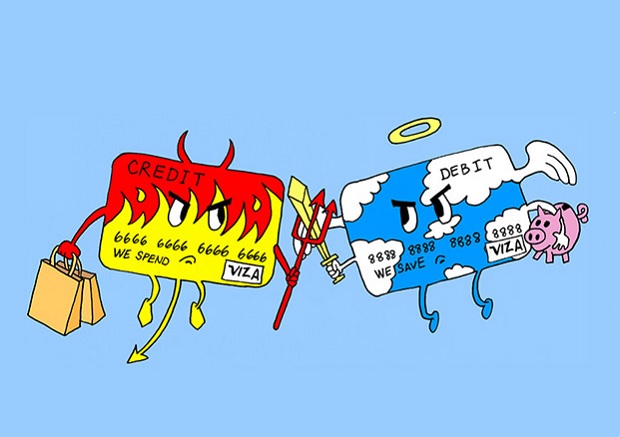
Credit and Debit Cards: Key Differences.
Perhaps the most popular banking service for ordinary citizens is a payment card. Their number in Ukraine is constantly growing, and customers themselves are increasingly using the card not only for withdrawing cash from an ATM. Wanting to get this banking product, you can often face the question: which card do you want to get? Here we will try to briefly explain the key differences between the two main types of cards - debit and credit.
Using a debit card, you can withdraw cash from an ATM, pay for purchases in retail and online stores, including foreign ones, and transfer funds to other cards. Banks charge various commissions for servicing debit cards: it can be a fee for issuing the card itself, for annual maintenance of an account, for withdrawing cash from ATMs (both in their own and other banks). At the same time, a large number of services on a plastic card are provided free of charge (SMS informing, Internet banking).
Debit cards are classified by payment systems - international and local: Visa, Mastercard, American Express, UnionPay, PROSTIR. Each of the payment systems has several subspecies characterized by limited or extended functionality. For example, sometimes it is impossible to pay for purchases via the Internet, as well as to make purchases abroad, with Visa Electron and Maestro “plastic”. But their maintenance per year will be much cheaper. On the contrary, Visa Classic or Mastercard Standart cards are universal. With their help, you can make online shopping and safely take with you on a trip - these cards are accepted all over the world.
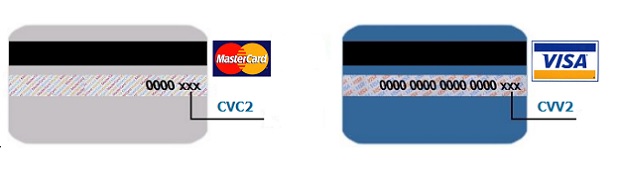
The main elements of a plastic card.
A type of debit card is a salary card. It is issued within the framework of the so-called "salary projects". This is an agreement between the bank and a certain organization, according to the terms of which the bank issues plastic cards to all employees of this company and serves the corresponding accounts. The client's salary is transferred to them. Very often, salary cards are issued free of charge, but their functionality may be limited (for example, they cannot be used in other countries).
An overdraft is often provided for salary cards - that is, the opportunity to go into the red. Do not confuse such a card with a credit card - in this case, there is no grace period and no interest rate. To repay an overdraft, banks set a maturity of up to two months on average. If the card is issued under the conditions of a salary project, then the overdraft amount usually amounts to some percentage of the salary or is expressed in the amount of up to two salaries. Thus, such a service can be considered as contingency insurance.
A credit card differs from a debit card in its characteristics. And when registering just such a product in the bank, it is necessary to clarify all the nuances so that later not to get into an unpleasant situation. The main characteristics of a credit card are credit limit, grace period and interest rate. A credit limit is the maximum amount of money that a client can spend from a card for a certain commission - an interest rate. In Ukrainian banks, it ranges from about 25% to 48% for loans in hryvnia. The grace period is the time during which you can use credit funds without interest. This period is usually 30 to 100 days.
When issuing a credit card, the client should familiarize himself with all the additional commissions that will have to be paid to the bank in addition to the interest rate. This is a commission for withdrawing money from an ATM from a credit card, for transferring money, a monthly commission (a percentage of the balance of the debt). At the same time, there is usually no commission for non-cash transactions in trade and service enterprises.
The number of payment cards in the world is constantly growing.
Thus, a credit card is a very convenient payment tool, but also quite expensive. The faster you manage to pay off the amount spent, the less you will pay for using the bank's money. You can pay off your credit card debt simply by replenishing its account at an ATM or bank cash desk.
Credit cards, like debit cards, can be of different payment systems, registered or unnamed, equipped with a magnetic stripe or chip, with support for contactless technology.
Credit and Debit Cards: Key Differences.
Perhaps the most popular banking service for ordinary citizens is a payment card. Their number in Ukraine is constantly growing, and customers themselves are increasingly using the card not only for withdrawing cash from an ATM. Wanting to get this banking product, you can often face the question: which card do you want to get? Here we will try to briefly explain the key differences between the two main types of cards - debit and credit.
Debit bank card - what does it mean?
So, a debit card is a bank card that is tied to the client's current account in the bank and allows him to make settlements only for the amount that is on this account at the time of purchase. That is, in order to receive a debit card, the client first opens an account, then deposits money into it, and only after that he can use them in a non-cash form. In fact, such a card is your "plastic" wallet.Using a debit card, you can withdraw cash from an ATM, pay for purchases in retail and online stores, including foreign ones, and transfer funds to other cards. Banks charge various commissions for servicing debit cards: it can be a fee for issuing the card itself, for annual maintenance of an account, for withdrawing cash from ATMs (both in their own and other banks). At the same time, a large number of services on a plastic card are provided free of charge (SMS informing, Internet banking).
Debit cards are classified by payment systems - international and local: Visa, Mastercard, American Express, UnionPay, PROSTIR. Each of the payment systems has several subspecies characterized by limited or extended functionality. For example, sometimes it is impossible to pay for purchases via the Internet, as well as to make purchases abroad, with Visa Electron and Maestro “plastic”. But their maintenance per year will be much cheaper. On the contrary, Visa Classic or Mastercard Standart cards are universal. With their help, you can make online shopping and safely take with you on a trip - these cards are accepted all over the world.
The main elements of a plastic card.
A type of debit card is a salary card. It is issued within the framework of the so-called "salary projects". This is an agreement between the bank and a certain organization, according to the terms of which the bank issues plastic cards to all employees of this company and serves the corresponding accounts. The client's salary is transferred to them. Very often, salary cards are issued free of charge, but their functionality may be limited (for example, they cannot be used in other countries).
An overdraft is often provided for salary cards - that is, the opportunity to go into the red. Do not confuse such a card with a credit card - in this case, there is no grace period and no interest rate. To repay an overdraft, banks set a maturity of up to two months on average. If the card is issued under the conditions of a salary project, then the overdraft amount usually amounts to some percentage of the salary or is expressed in the amount of up to two salaries. Thus, such a service can be considered as contingency insurance.
What does credit card mean?
What is a credit card? This is a completely different banking product from a debit card. The owner of the "credit card" can also use it to pay for purchases in stores and on the Internet, to withdraw cash from an ATM, to transfer money to another user - but all this is at the expense of the bank. That is, the client has the opportunity at any time to use the credit line provided by the bank, and return this money to the account later.A credit card differs from a debit card in its characteristics. And when registering just such a product in the bank, it is necessary to clarify all the nuances so that later not to get into an unpleasant situation. The main characteristics of a credit card are credit limit, grace period and interest rate. A credit limit is the maximum amount of money that a client can spend from a card for a certain commission - an interest rate. In Ukrainian banks, it ranges from about 25% to 48% for loans in hryvnia. The grace period is the time during which you can use credit funds without interest. This period is usually 30 to 100 days.
When issuing a credit card, the client should familiarize himself with all the additional commissions that will have to be paid to the bank in addition to the interest rate. This is a commission for withdrawing money from an ATM from a credit card, for transferring money, a monthly commission (a percentage of the balance of the debt). At the same time, there is usually no commission for non-cash transactions in trade and service enterprises.
The number of payment cards in the world is constantly growing.
Thus, a credit card is a very convenient payment tool, but also quite expensive. The faster you manage to pay off the amount spent, the less you will pay for using the bank's money. You can pay off your credit card debt simply by replenishing its account at an ATM or bank cash desk.
Credit cards, like debit cards, can be of different payment systems, registered or unnamed, equipped with a magnetic stripe or chip, with support for contactless technology.

