

Tomcat
Professional
- Messages
- 2,695
- Reaction score
- 1,072
- Points
- 113
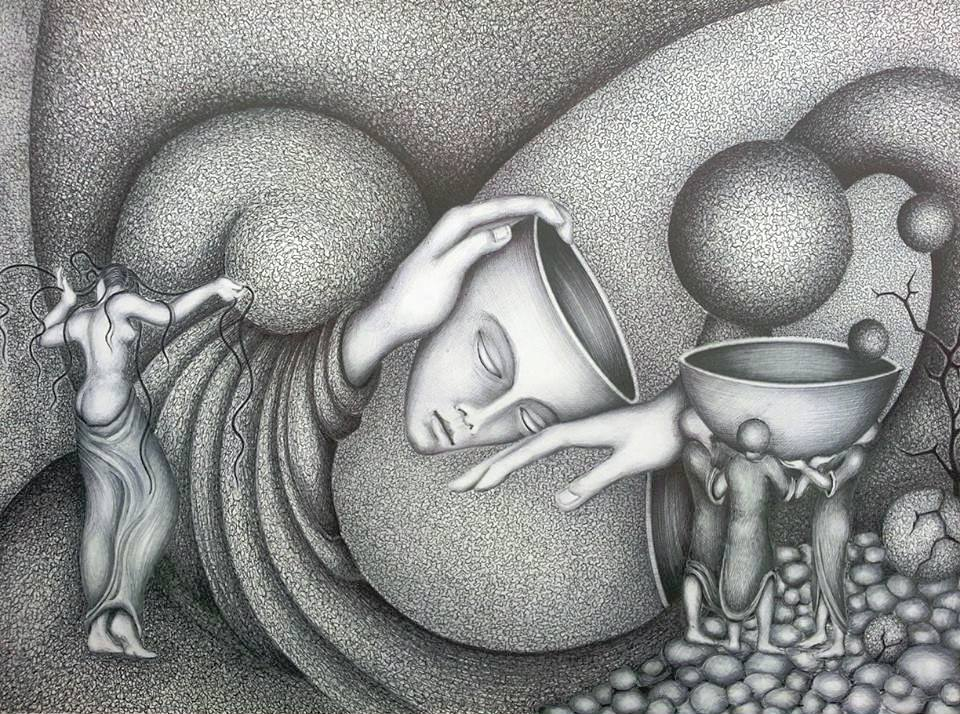
If any of us is asked whether we are victims, the majority will say no. In the understanding of people, sacrifice is something terrible and weak. We associate this word with criminal chronicles. A vivid image that often appears in the mind is someone outlined in chalk on the asphalt.
But from the point of view of psychology, sacrifice is an interpretation in which someone or something influences our achievements, mood and happiness. We are victims in different situations: in a relationship with a boss, a partner, a child. One thing unites them - we find a reason to take offense and start manipulating.
What does the victim believe in? She usually has six beliefs. Let's take a look at each of them.
First conviction. The source of the problem is in the other person. Another person was unreasonably rude to the victim, offended her.
Second conviction. Circumstances are superior to us. So life turned out, there was no other way out of the situation. The victim is forced to go to study at this institute or sit out evenings at an unloved job.
Third conviction. Nothing can be changed, there is no choice. The motto of the victim: "I am not like that, life is like that."
Fourth conviction. We are only a consequence, not the cause of what is happening in our life. Someone else always influences the victim's life, choice or attitude.
Fifth belief. Nothing depends on us. Favorite phrase of the victim: "Nothing further depends on me." The fate of the victim is dominated by other people or events.
Sixth belief. The focus of attention is always in the past. The victim concentrates on the breakfast that the wife did not prepare, the flowers that the husband did not give. The whole day can not forget the driver who did not miss at the pedestrian intersection.
If you recognize yourself or someone close to you in these six beliefs, keep the magic medicine.
We choose the role of the victim, because we are so profitable
Read and understand the phrase: "We always win the game we play." Reread it as many times as necessary before continuing to read the article. When we choose the role of victim or blame someone for failure, we do it because we are so profitable. A person always does what brings bonuses. They are just different. Let's take a look at a few reasons why it is beneficial to be a victim.
The first reason. The victim gets attention. People listen carefully and empathize with the offended. Sometimes you can even get something material. It happens that the victim, for example, is forgiven for debts.
The second reason. You don't have to change anything in your life. "If everything depends on the neighbor in the stairwell, what can I do?"
Third reason. You can let go of your emotions and stop controlling them. A woman can cry, a man can fight.
"Everything is in my hands": how to stop pretending to be a victim
But where there is a benefit, there is always a price. You have to pay for the role of the victim. Below is a short price list. It has only two currencies, but the most expensive ones are happiness and health.
Choosing the position of the victim, we pay with the happiness that we could get from strong relationships, communication with relatives.
Most diseases are psychosomatics. Their reasons are resentment. This is exactly what constitutes the main “wealth” of the victim.
Now that we understand the beliefs and benefits of sacrifice, let's think about it: is there a way to look at things differently? The answer is simple - yes. You can look at what is happening from the standpoint of authorship. If necessary, repeat every day the mantra: "It all depends on me, I can control any circumstances and any situations."
If you look around, most people choose the interpretation of the victim.
Ask yourself simple questions: "Where is my focus of attention: in the past or in the future?", "What is my goal?", "What do I want to build in this relationship." At this point, an interpretation of authorship is created.
If you look around, most people choose the victim interpretation. Even if you are one of them, there is an opportunity to change everything. Take a blank sheet of paper and at the top write the situations in which you choose the role of the victim. In the left column, indicate the benefits you get, all the pluses. And in the right column is everything you pay with. Think, analyze - which is more dear to you?
It is not easy to change habitual behavior, it is not easy to give up a comfortable position in which they always sympathize with you and regret you. But every time you feel the urge to blame bad luck or a cunning colleague for your failure, just take a look at the right column. Perhaps admitting your own mistakes and getting started on the mistakes is not so difficult? And it is certainly cheaper than paying for treatment and rebuilding relationships with loved ones.


