Carding
Professional
- Messages
- 2,870
- Reaction score
- 2,538
- Points
- 113
What Is Contactless Payment?
The term contactless payment refers to a secure method for consumers to purchase products or services using a debit, credit, smartcard, or another payment device by using radio frequency identification (RFID) technology and near-field communication (NFC). This payment method works by tapping a payment card or other device near a point-of-sale terminal equipped with contactless payment technology. Contactless payment is also referred to as tap-and-go or tap by some banks and retailers.
How Contactless Payment Works
Contactless payment allows consumers to pay for goods and services using their debit or credit cards with RFID technology—also known as chip cards—or other payment devices without the need to swipe, enter a personal identification number (PIN), and/or sign for a transaction. Merchants that accept contactless payment have point-of-sale terminals with a special symbol identifying the technology, which is similar to the wifi logo but turned onto its side.
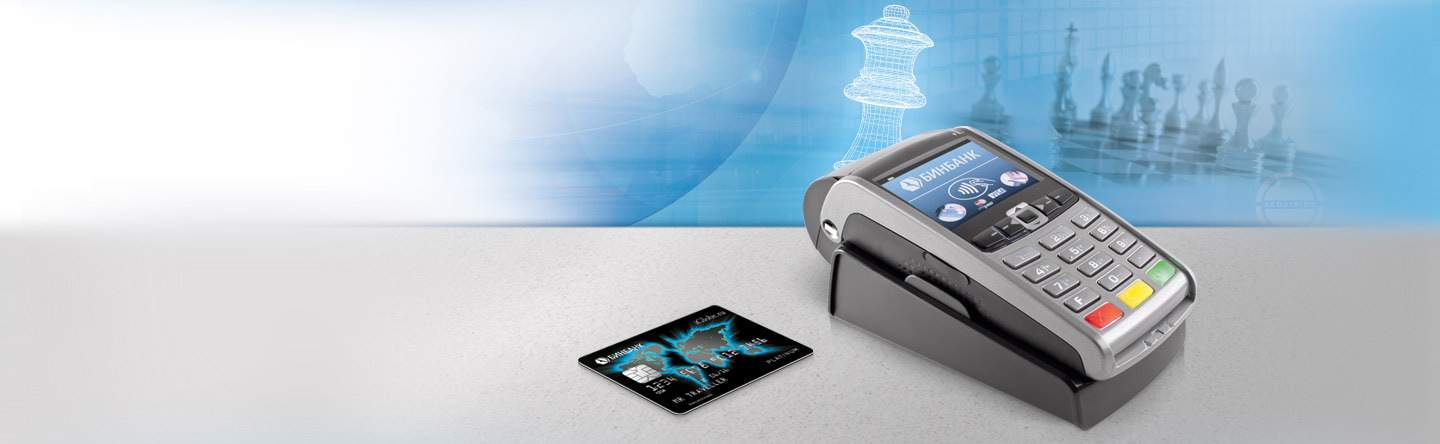
Here's how it works. When the merchant's system prompts the customer to pay, they bring the card between close to the contactless payment symbol on the terminal. Information is transmitted electronically using information from the chip from the card to the bank. When the system accepts the tap, it signals the customer with a beep, green light, or checkmark. Once the approval is received, the transaction is complete.
With the rise in wireless technology and the popularity of smart devices, consumers can also connect their credit cards to a device—a smartphone, smartwatch, or fitness tracker—to pay using the contactless system as well. This is done by downloading a payment app such as Apple Pay, allowing consumers to securely store credit and debit card information to make purchases by tapping a smartphone or Apple iWatch.
In most cases, transaction sizes on cards are limited for contactless payment. The allowable amount for a contactless transaction varies by country and by the bank. Some merchants and retailers may set a low limit for their tap system in order to further prevent fraud, while others still allow large transactions to go through. Large dollar amounts may require a signature before they can be approved.
KEY TAKEAWAYS
Advantages and Disadvantages of Contactless Payment
Fraudsters are able to steal and clone information from magnetic stripes on the back of payment cards. This allows them to clone the information and make new cards, leading to fraud and identity theft. Contactless payment cuts down the risk to both the consumer and the merchant. That's because they're more secure than using magnetic stripes on the back of payment cards. Information submitted through the merchant terminal through contactless payment, on the other hand, is encrypted, meaning it is difficult to intercept and steal.
Despite these security features, criminals are still able to skim cards in consumers' wallets using smartphones to read. The range at which a card can be read is very short and, even if the thief is close enough to grab data, they can't create a copy of the card. This is not true of cards with magnetic stripes. That said, chip and PIN cards are still the most secure, as they can't be duplicated and require data not contained anywhere else on the card.
Consumers are now able to dispute fraudulent transactions and get replacement cards. There are also protective card sleeves and wallets that block readers from getting to your card data in the first place. As of 2015, merchants and credit card companies became liable for any fraudulent activity that took place through their systems if they had no chip technology in place.
History of Contactless Payment
Contactless payment has been around since the 1990s with only a handful of merchants and retailers using the technology during that period. Since then, it has spread out to include thousands of banks, credit card companies, merchants, and retailers around the world.
South Korea's transit authority in Seoul offered one of the world's first contactless payment systems. Launched in 1995, the system later became known as UPass, offering riders a quick and easy way to pay for bus trips using the contactless system.3 Mobil offered one of the first contactless payment systems called Speedpass in 1997, allowing customers to pay for gas using a special fob loaded with cash at participating gas stations.4 The contactless system became popular in the United Kingdom after London's transit agency implemented its prepaid contactless Oyster Card system for transit riders to use on the Underground.5 In 2014, the agency started offering commuters the option to use contactless credit and debit cards to use on the transit system.6
The U.S. market has been considerably slow to adopt contactless payment. Roughly 20% of the transactions that take place in Australia, Canada, South Korea, and the United Kingdom are conducted using contactless payment methods, according to a 2018 report from consultancy firm A.T. Kearney. Americans still use physical cash more than payment cards, to the tune of almost 50 billion cash transactions each year, or 26% of all consumer payment transactions, according to the report. Because of the volume of retailers and banks, the American market is more fragmented.
Important: Treat a digital wallet the same way you would cash—use the locks on your device and set up notifications on all your credit cards in case of fraud or theft.
Examples of Contactless Payment
Contactless payment is available through banks and other financial institutions. But other companies have also jumped on board offering their own versions of contactless payment. For instance, Google and Android introduced pay systems compatible with their devices using NFC in 2011 while Apple jumped on board with Apple Pay—its own version of the digital wallet—in 2014.
Apple Pay
Most Apple devices already come equipped with the Apple Wallet app. It allows users to store credit and debit card information onto their device—notably an iPhone or iWatch—to make purchases in stores. The system also allows purchases to be made online and through other apps. Users can also send money to friends and family through their text message system using Apple Pay.
Google Pay
Google allows users to make payments at participating brick-and-mortar and online retailers through a secure method via the Google Pay app. Instead of using a credit card number, Google shares an encrypted number tied to the user's payment card with the retailer. Just like Apple Pay, users can also send and receive money by using an email address or phone number.
Samsung Pay
Samsung also launched a digital wallet, allowing users to store their payment card information onto the app to use at merchant terminals. Samsung Pay users can also earn cashback and other rewards by using their phones to make purchases. Users simply take a photo of their card or of a barcode and tap to check out.
(c) https://www.investopedia.com/terms/c/contactless-payment.asp
The term contactless payment refers to a secure method for consumers to purchase products or services using a debit, credit, smartcard, or another payment device by using radio frequency identification (RFID) technology and near-field communication (NFC). This payment method works by tapping a payment card or other device near a point-of-sale terminal equipped with contactless payment technology. Contactless payment is also referred to as tap-and-go or tap by some banks and retailers.
How Contactless Payment Works
Contactless payment allows consumers to pay for goods and services using their debit or credit cards with RFID technology—also known as chip cards—or other payment devices without the need to swipe, enter a personal identification number (PIN), and/or sign for a transaction. Merchants that accept contactless payment have point-of-sale terminals with a special symbol identifying the technology, which is similar to the wifi logo but turned onto its side.
Here's how it works. When the merchant's system prompts the customer to pay, they bring the card between close to the contactless payment symbol on the terminal. Information is transmitted electronically using information from the chip from the card to the bank. When the system accepts the tap, it signals the customer with a beep, green light, or checkmark. Once the approval is received, the transaction is complete.
With the rise in wireless technology and the popularity of smart devices, consumers can also connect their credit cards to a device—a smartphone, smartwatch, or fitness tracker—to pay using the contactless system as well. This is done by downloading a payment app such as Apple Pay, allowing consumers to securely store credit and debit card information to make purchases by tapping a smartphone or Apple iWatch.
In most cases, transaction sizes on cards are limited for contactless payment. The allowable amount for a contactless transaction varies by country and by the bank. Some merchants and retailers may set a low limit for their tap system in order to further prevent fraud, while others still allow large transactions to go through. Large dollar amounts may require a signature before they can be approved.
KEY TAKEAWAYS
- Contactless payment is a secure payment method using a debit or credit card, smartcard, or another payment device by using RFID technology and near-field communication.
- To use the system, a consumer taps the payment card near a point-of-sale terminal equipped with the technology.
- Contactless payment is considered a quick and easy way to pay since it doesn't require consumers to input a PIN.
- Popular in Australia, Canada, South Korea, and the United Kingdom, contactless payment has yet to make significant traction with American consumers.
Advantages and Disadvantages of Contactless Payment
Fraudsters are able to steal and clone information from magnetic stripes on the back of payment cards. This allows them to clone the information and make new cards, leading to fraud and identity theft. Contactless payment cuts down the risk to both the consumer and the merchant. That's because they're more secure than using magnetic stripes on the back of payment cards. Information submitted through the merchant terminal through contactless payment, on the other hand, is encrypted, meaning it is difficult to intercept and steal.
Despite these security features, criminals are still able to skim cards in consumers' wallets using smartphones to read. The range at which a card can be read is very short and, even if the thief is close enough to grab data, they can't create a copy of the card. This is not true of cards with magnetic stripes. That said, chip and PIN cards are still the most secure, as they can't be duplicated and require data not contained anywhere else on the card.
Consumers are now able to dispute fraudulent transactions and get replacement cards. There are also protective card sleeves and wallets that block readers from getting to your card data in the first place. As of 2015, merchants and credit card companies became liable for any fraudulent activity that took place through their systems if they had no chip technology in place.
History of Contactless Payment
Contactless payment has been around since the 1990s with only a handful of merchants and retailers using the technology during that period. Since then, it has spread out to include thousands of banks, credit card companies, merchants, and retailers around the world.
South Korea's transit authority in Seoul offered one of the world's first contactless payment systems. Launched in 1995, the system later became known as UPass, offering riders a quick and easy way to pay for bus trips using the contactless system.3 Mobil offered one of the first contactless payment systems called Speedpass in 1997, allowing customers to pay for gas using a special fob loaded with cash at participating gas stations.4 The contactless system became popular in the United Kingdom after London's transit agency implemented its prepaid contactless Oyster Card system for transit riders to use on the Underground.5 In 2014, the agency started offering commuters the option to use contactless credit and debit cards to use on the transit system.6
The U.S. market has been considerably slow to adopt contactless payment. Roughly 20% of the transactions that take place in Australia, Canada, South Korea, and the United Kingdom are conducted using contactless payment methods, according to a 2018 report from consultancy firm A.T. Kearney. Americans still use physical cash more than payment cards, to the tune of almost 50 billion cash transactions each year, or 26% of all consumer payment transactions, according to the report. Because of the volume of retailers and banks, the American market is more fragmented.
Important: Treat a digital wallet the same way you would cash—use the locks on your device and set up notifications on all your credit cards in case of fraud or theft.
Examples of Contactless Payment
Contactless payment is available through banks and other financial institutions. But other companies have also jumped on board offering their own versions of contactless payment. For instance, Google and Android introduced pay systems compatible with their devices using NFC in 2011 while Apple jumped on board with Apple Pay—its own version of the digital wallet—in 2014.
Apple Pay
Most Apple devices already come equipped with the Apple Wallet app. It allows users to store credit and debit card information onto their device—notably an iPhone or iWatch—to make purchases in stores. The system also allows purchases to be made online and through other apps. Users can also send money to friends and family through their text message system using Apple Pay.
Google Pay
Google allows users to make payments at participating brick-and-mortar and online retailers through a secure method via the Google Pay app. Instead of using a credit card number, Google shares an encrypted number tied to the user's payment card with the retailer. Just like Apple Pay, users can also send and receive money by using an email address or phone number.
Samsung Pay
Samsung also launched a digital wallet, allowing users to store their payment card information onto the app to use at merchant terminals. Samsung Pay users can also earn cashback and other rewards by using their phones to make purchases. Users simply take a photo of their card or of a barcode and tap to check out.
(c) https://www.investopedia.com/terms/c/contactless-payment.asp