

Brother
Professional
- Messages
- 2,590
- Reaction score
- 544
- Points
- 113
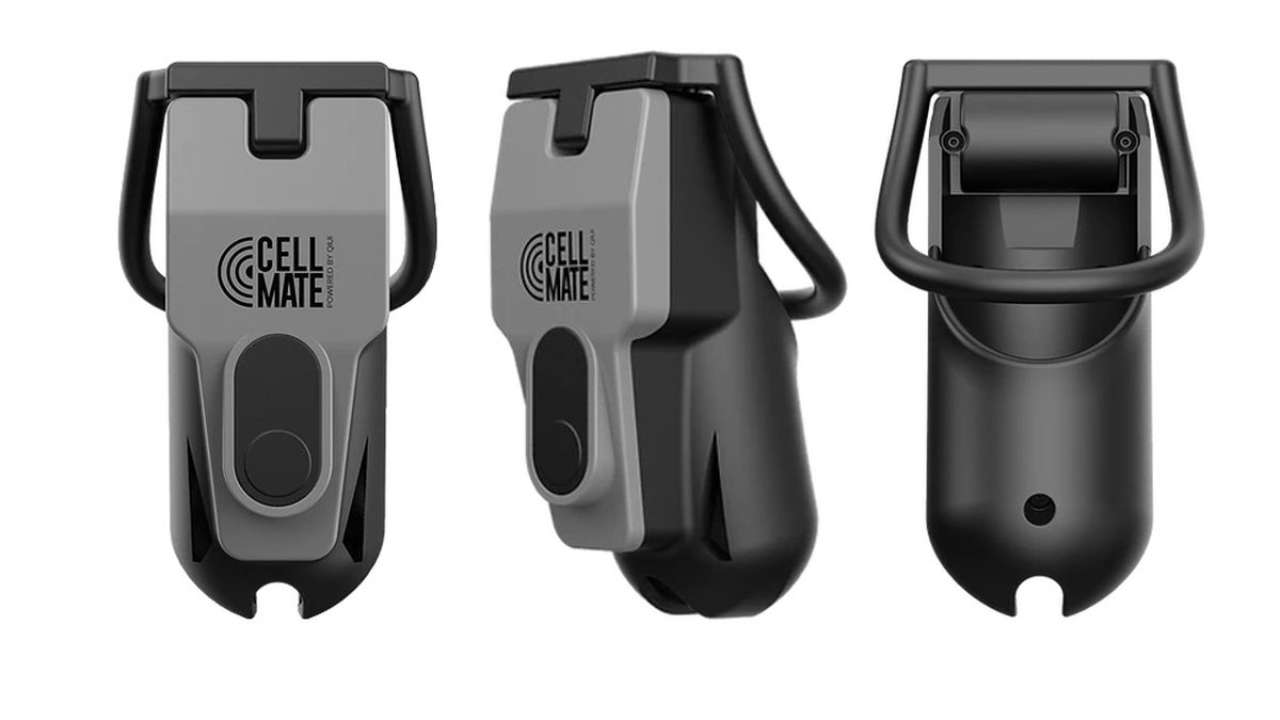
Analysts at Pen Test Partners have studied an extremely unusual device: the Cellmate male chastity belt, manufactured by the Chinese company Qiui. Such gadgets allow owners to entrust access to their genitals to a partner who can lock and unlock the device remotely using Bluetooth and a special application.
However, as experts have found out, due to numerous security problems, such devices can be remotely blocked and opened by hackers, and there is simply no manual control for "emergency" opening or a physical key for Cellmate. That is, blocked users will find themselves in an extremely unpleasant situation.
Researchers have checked and reported that opening the locked device can only be done with a bolt cutter or grinder, cutting the steel bow, but the matter is complicated by the fact that it is located around the testicles of the owner of the gadget. The device will also open in the event of an overload of the board that controls the operation of the lock, and for this you will need to apply approximately three volts of electricity to the device (two AA batteries).
“Over the years, both we and other researchers have repeatedly found similar problems with different manufacturers of sex toys. Personally, I believe that such intimate devices should meet higher safety standards than any light bulbs, ”says Alex Lomas, an expert at Pen Test Partners.
Interestingly, researchers informed the manufacturer of Cellmate's security concerns back in April this year. And if at first the representatives of Qiui willingly made contact, then it turned out that the company's engineers could not completely eliminate the vulnerability, and since then Qiui stopped responding to letters from specialists.
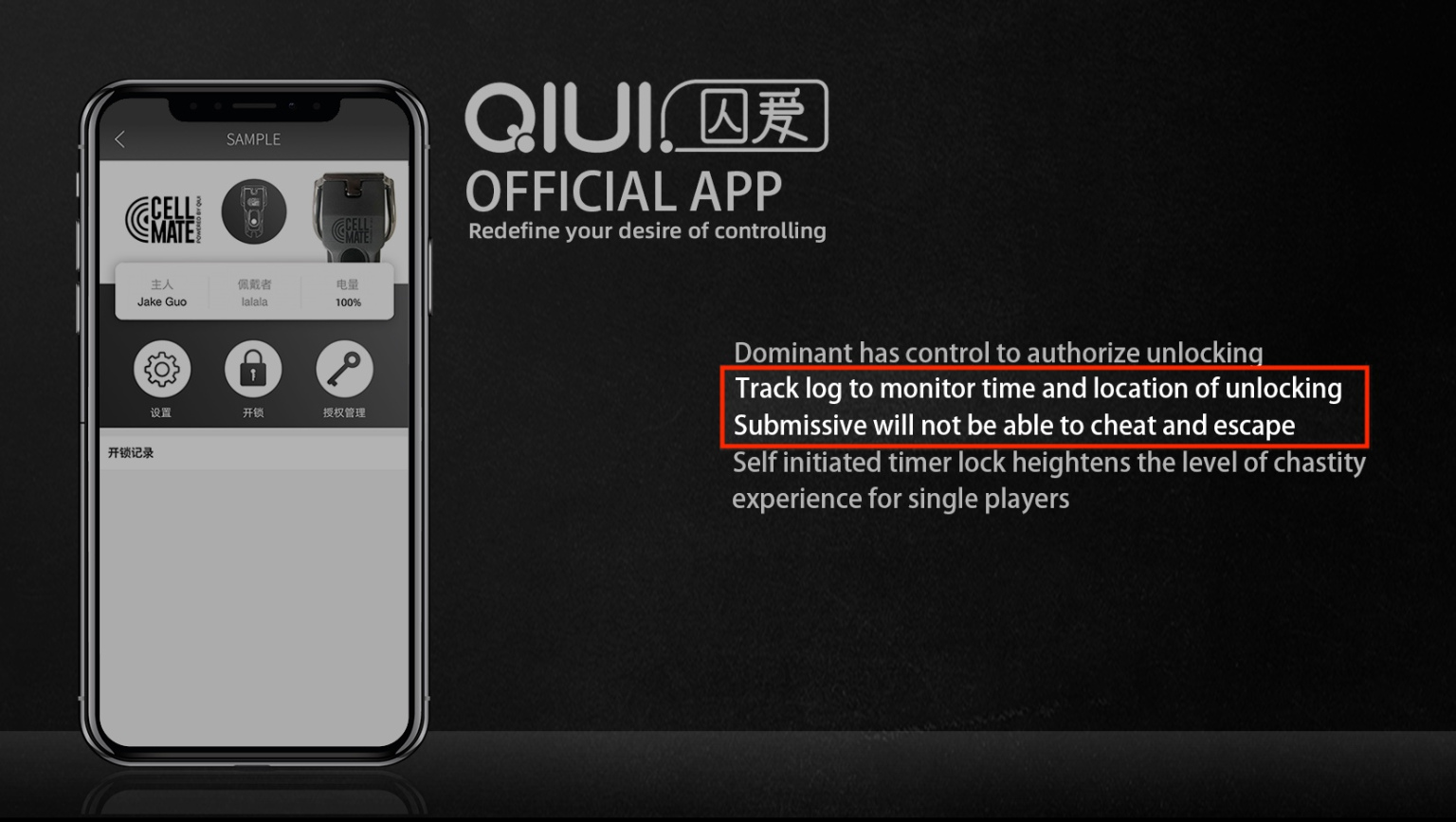
The main problem with Cellmate is its API, which is used to communicate between a gadget and a dedicated mobile application. The API turned out to be open to anyone and is not password protected, and because of this, anyone can take control of any user's device. This will not only allow hackers to remotely control the Cellmate, but it will also help to gain access to the victim's information, including location data and passwords.
Qiui engineers updated their app in June in an effort to fix the bug, but users who are still using older versions are still vulnerable to attacks. Alex Lomas explains that the developers are in a quandary right now. If they completely disable the old API, it will fix the vulnerability, but then users who have not yet updated the application will be blocked. If the API continues to work, older versions of the application will be vulnerable to attacks.
Qiui CEO Jake Guo told TechCrunch that a full bug fix is due in August, but that deadline has passed and there is still no solution to the problem. In one of his letters, Guo told reporters that "fixing it will only create more problems."
As a result, after several months of communication with the developers, analysts at Pen Test Partners decided to publish information about Cellmate's problems, hoping that this would contribute to their complete fix. Information security experts do not specifically disclose all the details about the vulnerability so that hackers do not take advantage of it.
However, according to the publication TechCrunch, this vulnerability is the least of the problems for owners of such devices. Judging by the reviews in the Apple App Store and Google Play Store that users of the Cellmate mobile application leave, it often stops working by itself, by accident.
"The app completely stopped working after three days and I was stuck!" Writes one user. “This is a DANGEROUS program!” Warns another owner of Cellmate. Another one-star review says: “After the update, the app stopped opening the device. This is terrible considering that we trust him and there is no explanation on the [manufacturer's] website. "Another victim complains:“ My partner is locked up! This is outrageous as it is still unknown if this will be fixed and there are no new email responses. Very dangerous! And scary! Given what this application controls, it must be reliable. "
“It's very difficult just by looking at a product or application to determine if it is securely storing your data, or collecting detailed usage information and the like,” Lomas says. - Hopefully, in the future, some countries and states will begin to introduce standards for IoT products, but for now, before buying, just type “product name + vulnerability” in a search engine or search for security pages on the manufacturer's website (and not just clichés about “military-grade encryption”) ”.
It must be said that the safety of sex toys and other intimate devices, unfortunately, really leaves much to be desired and is no different from most other IoT devices. For example, in 2017, researchers from the same company Pen Test Partners discovered many problems in smart vibrators equipped with video cameras. Also at the DEF CON conference, they talked about the problems of another "smart" vibrator, We-Vibe 4 Plus. It turned out that intimate gadgets spy on their owners, and the manufacturer collects all the information it can about its devices. Then Hong Kong-based sex toy maker Lovense found itself in a similar situation, which also spied on users of its devices.


