

Friend
Professional
- Messages
- 2,671
- Reaction score
- 1,119
- Points
- 113
Hello, carders. We’re back with another installment of “Carding Cryptocurrency”, and this time we’re focusing on NFTs.
If you thought BitOff was easy, get ready for a challenge. This method is not for beginners. We’re entering intermediate territory, so if you’re still struggling with basic carding, practice a little more and come back when you’re ready.
NFTs may seem like old news once all the hype dies down. But here’s the thing — where there’s chaos, there’s opportunity. And the NFT market is still chaotic.
This method combines NFTs with some classic carding methods. It’s not as simple as BitOff, but the potential profits are significantly higher. We’re talking about turning your card funds into digital “art” that can earn you a ton of crypto.
So get ready. We’re about to enter the world of NFT scams. It’s time to learn how to exploit this digital Wild West.
The CVV Pipeline to Cryptocurrency
Let’s get one thing straight: Cryptocurrency carding is no walk in the park. You can’t just plug your stolen CVV into Coinbase and expect to walk away with a fat stack of Bitcoin. Why? Because cryptocurrency exchanges aren’t run by idiots.
There’s too much at stake on these platforms to play fast and loose with credit card fraud. They’re under constant investigation by regulators, banks, and every three-letter agency you can imagine. One whiff of excessive chargebacks and they’re royally screwed. That’s why they have robust fraud detection systems.
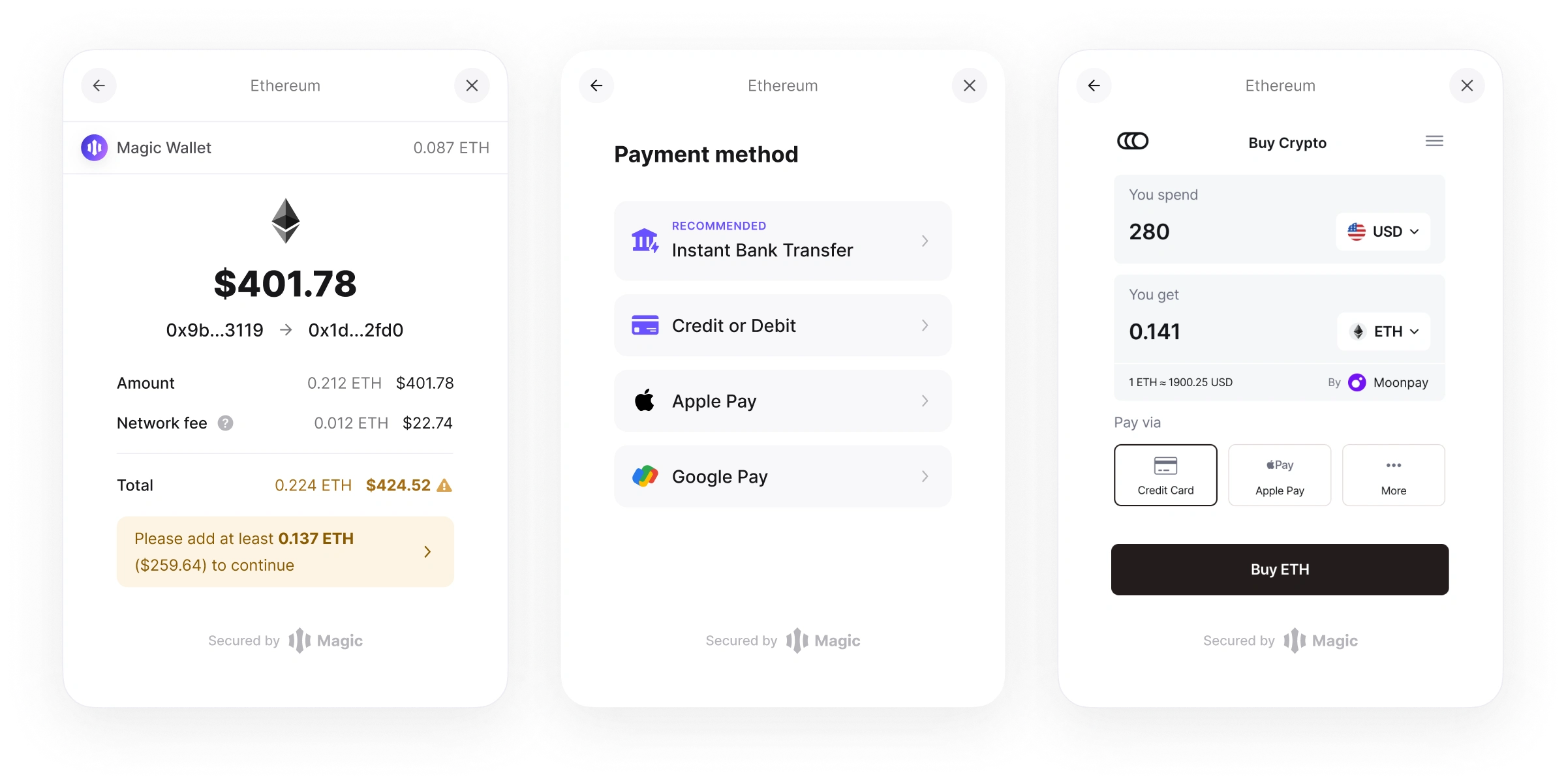
That’s why we need to think outside the box. The key to successful crypto carding is to use intermediary services — middlemen between your CVV and that sweet, sweet cryptocurrency. These services tend to have softer security measures, making them prime targets for our operations.
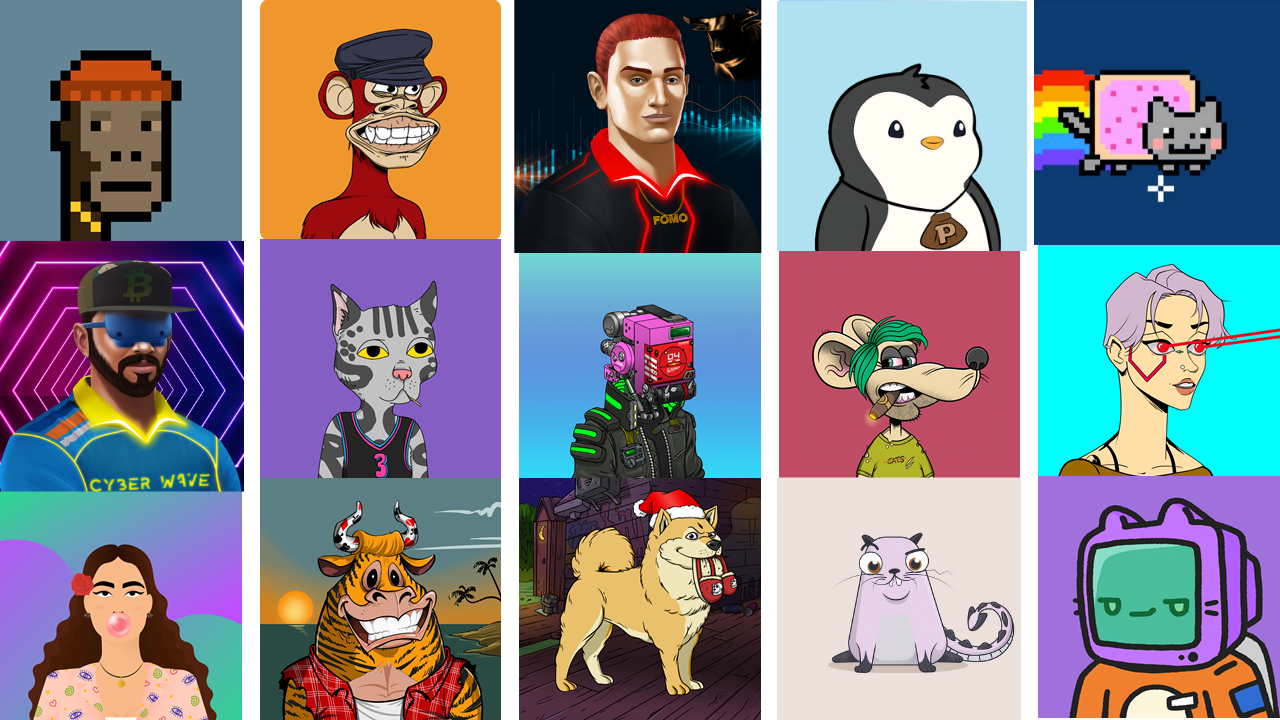
Enter NFTs — our digital bridge to crypto. These aren’t just overpriced JPEGs anymore. They’re our way of turning the funds you receive from cards into something that can be easily converted to crypto.
NFT marketplaces occupy this weird gray area. They’re not exactly crypto exchanges, but they’re not traditional e-commerce either. This blurry line creates vulnerabilities that we can exploit. Many of these platforms are more focused on facilitating digital art transactions than implementing robust fraud detection systems.
By targeting NFT services — like we did with BitOff — we’re creating a direct path to crypto. Here’s the beauty of it: Once you’ve carded an NFT, you have an asset that’s easily convertible to cryptocurrency. There’s no need to jump through hoops or deal with strict KYC processes. You now hold a digital asset that can be quickly exchanged for Ethereum or any other trending shitcoin.
So pay attention.
NiftyGateway
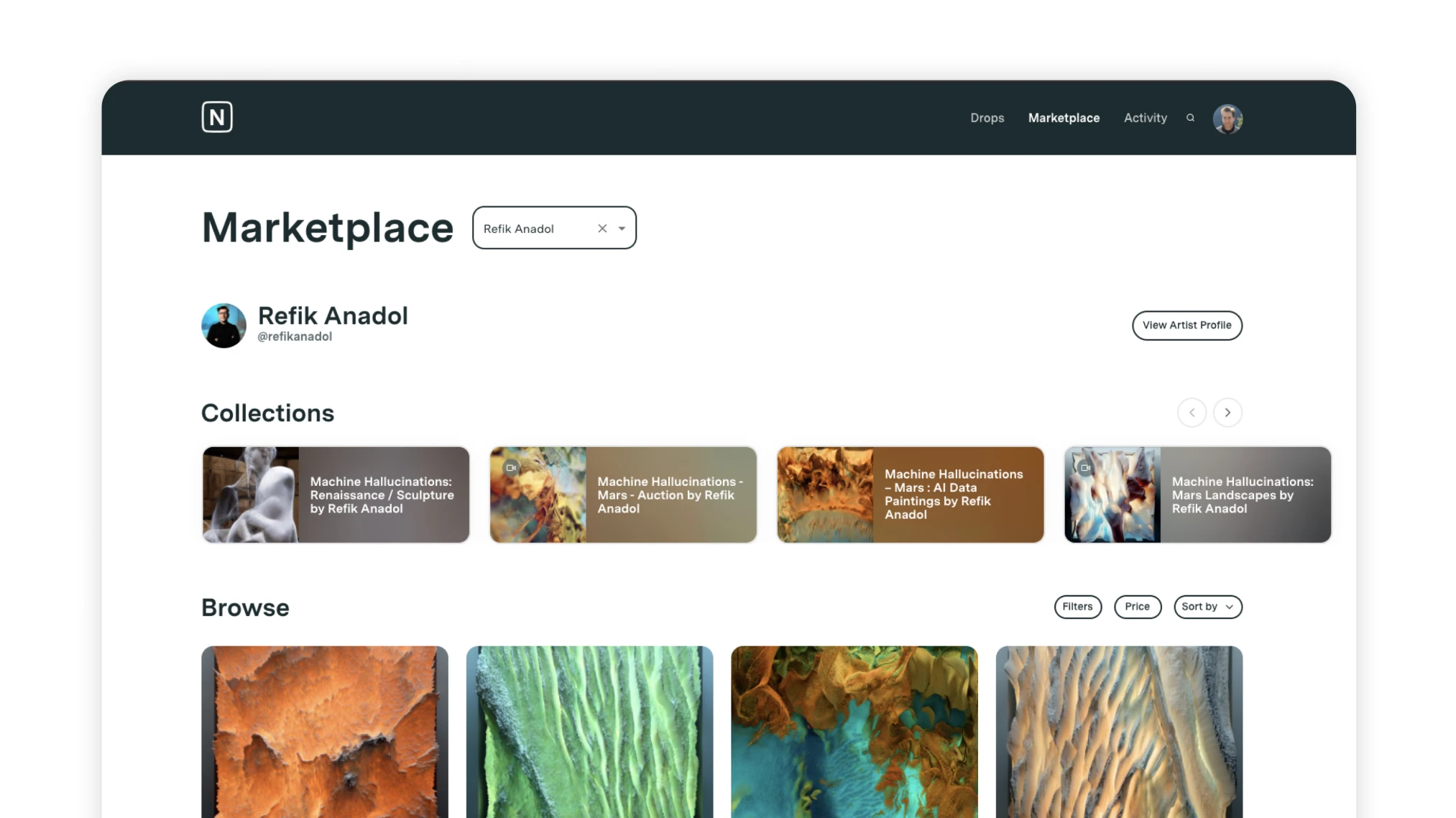
Now that you understand the concept, let's bring you up to speed with a real-world example: NiftyGateway. This platform is our golden ticket to turning your card funds into ETH.
In 2021, when the world was going crazy with COVID, my team and I were making money on this platform. We were scooping up $5,000 NFTs like it was nothing and flipping them on OpenSea for 80%. It was a damn good time to be alive.
Now, I’m not going to lie — NiftyGateway has tightened up its rules a bit since then. They’ve put in some restrictions and the hype has died down. But don’t worry, because I just ran a test a few hours ago and this thing is still going strong.
So why NiftyGateway? It’s simple:
This is exactly the type of brokerage service we’ve been looking for. It’s not a straight CVV to crypto pipeline, but it’s the next best thing. You card the NFT on NiftyGateway, then trade it for ETH on OpenSea or another marketplace.
The beauty of this method is its flexibility. Even when the market cools, there’s still enough volume and volatility in NFTs to make it profitable. Plus, the constant influx of new collections means there’s always fresh meat to target.
Remember, this isn’t some gimmick. You need to be on your game. We’re talking high-quality cards, solid anti-detection settings, and patience to navigate the NFT market.
In the next section, we’ll break down the step-by-step process of exploiting NiftyGateway. From creating an account to carding your first NFT, I’ll show you how to turn those stolen cards into digital gold.
Requirements
The most important asset in this NFT carding game isn’t your fancy anti-detect setup or your premium proxies. It’s knowing which NFTs to card.
In the golden days, you could aim like a drunk at a urinal and still make a profit. Any NFT would sell. But now? The hype has died down due to overpriced JPEGs. You need to be smart about which NFTs you card if you don’t want to end up with a worthless digital sack.
Here’s the thing about NiftyGateway (NG): They’re an artist-focused platform. They don’t promote memes or NFT gaming bullshit that actually sells. These pretentious hipsters are focused on actual art. So we’re limited in what we can get. Do your homework. Read the drops, check out which artists are trending, and see which NFTs have actual trading activity. You’re not just a carder anymore — you’re an art critic. LOL.
The second most important requirement? An Enroll or Visa Alert card. See, after losing possibly hundreds and thousands to fraud, NG panicked a bit and slapped on the minicharge verification. With access to the card’s transaction history, you can verify and buy on the secondary market. You can still use any card without verification, but you’re limited to receiving new drops only when they drop.
So if you’re stuck with a regular card and can’t get verified, your best bet is to wait for a good artist drop. NG will notify everyone in advance. Tap them on drop day and pray to the NFT gods that you pick a winner.
The rest of the requirements? Standard carding crap. NG uses Stripe, so ideally you want a card that you haven’t burned at other Stripe stores. Couple that with a solid anti-detect setup and a proxy that can handle Stripe payments without screwing up.
The Process
The process may seem complicated, but it’s pretty simple once you get the hang of it.
Since they use Stripe, we'll be using the cardholder's email. This will help us lower our checkout fraud score significantly. If your card doesn't have an email, it's still possible, as long as Stripe Radar doesn't hate you.
Once you sign up, don't rush into buying crap. Wander the site like you're window shopping at a mall you can't afford. Stripe JS is embedded on all of their pages, so this will help us insulate our identity, preventing other payment issues later.
Once you've insulated your session for a good 5-8 minutes, go to your account settings and find the "Balance & Payment Methods" section. Time to link your card. As always, make sure you don't copy and paste anything - type that crap in manually. Once your card is linked, you can use it to pay for drops. If you want to buy on the secondary market (where the real money is), you'll need to confirm it using the button next to it. Clicking on it will prompt you for the two payments they charged to your card. This is where your Enroll or Visa Alerts come in handy – use them to receive these payments and verify your card.
Now that you’ve successfully linked and verified your card, you’re free to buy on the secondary market. Find a good NFT, but don’t just go for a digital item. Check out the artist and their activity on other markets like OpenSea to ensure you can easily flip the thing. Then make your move and buy.
Depending on Stripes’ fraud score, Radar may tip you off to a 3DS. But if you’ve followed all my steps and aren’t using some junk card, you’ll rarely, if ever, run into a 3DS. Once you’ve successfully paid, your NFT will sit in your account.
Advanced Concepts and Tricks
Let’s start with that annoying Nifty Hold. NiftyGateway freezes NFTs for 72 hours for new accounts. This will prevent you from moving them off-chain for 3 days. But don’t worry. As long as your account looks legit and you haven’t named yourself something stupid like “ILOVECREDITCARDFRAUD666,” you won’t have any problems. Use this cooldown to buy more NFTs or create more accounts.
Withdrawals are pretty simple. Just send the NFT to any ETH address you control. OpenSea is a big fish for flipping those JPEGs. So just put it there and wait for your $$$ to come in.
Beware of those pesky transaction fees. NiftyGateway will try to take about $2 from your card for withdrawal. If your cards are still alive, great. If not, you’ll need to throw in a few dollars in crypto to cover it. A small price to pay for laundering your card funds into ETH.
Now let's move on to advanced techniques. This is where we separate the sharks from the guppies. I used a little maneuver that might still work - I haven't tested it recently, so follow it carefully. Here's how it's done:
Why jump through all these hoops? Because the money goes into your NG NFT seller account. From there, you have options. You can use those funds to buy an NFT offchain, meaning you take some $1 piece of crap on OpenSea, stake it to any balance in your NG seller account, and then buy it from your NG account. NG’s own crypto account will pay your wallet directly for the junk NFT you just sold to their customer.
This trick is potentially limitless – you can assign that NG NFT any amount you want. Plus, it puts the funds in your hands instantly. I know a guy who made a killing using this method.
Final Thoughts
Okay, folks. We’ve covered a lot in this NFT carding guide. From the basics to the advanced bullshit, you now have the tools to turn those stolen cards into digital cash. But remember, this isn’t a get-rich-quick scheme. It takes skill and patience.
The NFT market is a digital Wild West waiting to be devoured by us smart bastards. But it won’t last forever. Milk it while you can, but always be on the lookout for the next big thing.
This is just the beginning. There’s more to come in our Crypto Carding series to fatten your brain and wallet. From DeFi protocol exploitation to crypto casino manipulation, we’ve got it all covered. Keep your eyes on the prize and your anti-detect browsers at the ready. The crypto world is a treasure trove for carders, and we’re just getting started. Stay tuned.
(c) Author: d0ctrine
www.binx.vip
If you thought BitOff was easy, get ready for a challenge. This method is not for beginners. We’re entering intermediate territory, so if you’re still struggling with basic carding, practice a little more and come back when you’re ready.
NFTs may seem like old news once all the hype dies down. But here’s the thing — where there’s chaos, there’s opportunity. And the NFT market is still chaotic.
This method combines NFTs with some classic carding methods. It’s not as simple as BitOff, but the potential profits are significantly higher. We’re talking about turning your card funds into digital “art” that can earn you a ton of crypto.
So get ready. We’re about to enter the world of NFT scams. It’s time to learn how to exploit this digital Wild West.
The CVV Pipeline to Cryptocurrency
Let’s get one thing straight: Cryptocurrency carding is no walk in the park. You can’t just plug your stolen CVV into Coinbase and expect to walk away with a fat stack of Bitcoin. Why? Because cryptocurrency exchanges aren’t run by idiots.
There’s too much at stake on these platforms to play fast and loose with credit card fraud. They’re under constant investigation by regulators, banks, and every three-letter agency you can imagine. One whiff of excessive chargebacks and they’re royally screwed. That’s why they have robust fraud detection systems.
That’s why we need to think outside the box. The key to successful crypto carding is to use intermediary services — middlemen between your CVV and that sweet, sweet cryptocurrency. These services tend to have softer security measures, making them prime targets for our operations.
Enter NFTs — our digital bridge to crypto. These aren’t just overpriced JPEGs anymore. They’re our way of turning the funds you receive from cards into something that can be easily converted to crypto.
NFT marketplaces occupy this weird gray area. They’re not exactly crypto exchanges, but they’re not traditional e-commerce either. This blurry line creates vulnerabilities that we can exploit. Many of these platforms are more focused on facilitating digital art transactions than implementing robust fraud detection systems.
By targeting NFT services — like we did with BitOff — we’re creating a direct path to crypto. Here’s the beauty of it: Once you’ve carded an NFT, you have an asset that’s easily convertible to cryptocurrency. There’s no need to jump through hoops or deal with strict KYC processes. You now hold a digital asset that can be quickly exchanged for Ethereum or any other trending shitcoin.
So pay attention.
NiftyGateway
Now that you understand the concept, let's bring you up to speed with a real-world example: NiftyGateway. This platform is our golden ticket to turning your card funds into ETH.
In 2021, when the world was going crazy with COVID, my team and I were making money on this platform. We were scooping up $5,000 NFTs like it was nothing and flipping them on OpenSea for 80%. It was a damn good time to be alive.
Now, I’m not going to lie — NiftyGateway has tightened up its rules a bit since then. They’ve put in some restrictions and the hype has died down. But don’t worry, because I just ran a test a few hours ago and this thing is still going strong.
So why NiftyGateway? It’s simple:
- They accept credit card payments for NFTs.
- Their fraud detection methods are not as effective as those of specialized crypto exchanges.
- The NFT tokens you purchase can be easily transferred and sold on other platforms.
This is exactly the type of brokerage service we’ve been looking for. It’s not a straight CVV to crypto pipeline, but it’s the next best thing. You card the NFT on NiftyGateway, then trade it for ETH on OpenSea or another marketplace.
The beauty of this method is its flexibility. Even when the market cools, there’s still enough volume and volatility in NFTs to make it profitable. Plus, the constant influx of new collections means there’s always fresh meat to target.
Remember, this isn’t some gimmick. You need to be on your game. We’re talking high-quality cards, solid anti-detection settings, and patience to navigate the NFT market.
In the next section, we’ll break down the step-by-step process of exploiting NiftyGateway. From creating an account to carding your first NFT, I’ll show you how to turn those stolen cards into digital gold.
Requirements
The most important asset in this NFT carding game isn’t your fancy anti-detect setup or your premium proxies. It’s knowing which NFTs to card.
In the golden days, you could aim like a drunk at a urinal and still make a profit. Any NFT would sell. But now? The hype has died down due to overpriced JPEGs. You need to be smart about which NFTs you card if you don’t want to end up with a worthless digital sack.
Here’s the thing about NiftyGateway (NG): They’re an artist-focused platform. They don’t promote memes or NFT gaming bullshit that actually sells. These pretentious hipsters are focused on actual art. So we’re limited in what we can get. Do your homework. Read the drops, check out which artists are trending, and see which NFTs have actual trading activity. You’re not just a carder anymore — you’re an art critic. LOL.
The second most important requirement? An Enroll or Visa Alert card. See, after losing possibly hundreds and thousands to fraud, NG panicked a bit and slapped on the minicharge verification. With access to the card’s transaction history, you can verify and buy on the secondary market. You can still use any card without verification, but you’re limited to receiving new drops only when they drop.
So if you’re stuck with a regular card and can’t get verified, your best bet is to wait for a good artist drop. NG will notify everyone in advance. Tap them on drop day and pray to the NFT gods that you pick a winner.
The rest of the requirements? Standard carding crap. NG uses Stripe, so ideally you want a card that you haven’t burned at other Stripe stores. Couple that with a solid anti-detect setup and a proxy that can handle Stripe payments without screwing up.
The Process
The process may seem complicated, but it’s pretty simple once you get the hang of it.
Since they use Stripe, we'll be using the cardholder's email. This will help us lower our checkout fraud score significantly. If your card doesn't have an email, it's still possible, as long as Stripe Radar doesn't hate you.
Once you sign up, don't rush into buying crap. Wander the site like you're window shopping at a mall you can't afford. Stripe JS is embedded on all of their pages, so this will help us insulate our identity, preventing other payment issues later.
Once you've insulated your session for a good 5-8 minutes, go to your account settings and find the "Balance & Payment Methods" section. Time to link your card. As always, make sure you don't copy and paste anything - type that crap in manually. Once your card is linked, you can use it to pay for drops. If you want to buy on the secondary market (where the real money is), you'll need to confirm it using the button next to it. Clicking on it will prompt you for the two payments they charged to your card. This is where your Enroll or Visa Alerts come in handy – use them to receive these payments and verify your card.
Now that you’ve successfully linked and verified your card, you’re free to buy on the secondary market. Find a good NFT, but don’t just go for a digital item. Check out the artist and their activity on other markets like OpenSea to ensure you can easily flip the thing. Then make your move and buy.
Depending on Stripes’ fraud score, Radar may tip you off to a 3DS. But if you’ve followed all my steps and aren’t using some junk card, you’ll rarely, if ever, run into a 3DS. Once you’ve successfully paid, your NFT will sit in your account.
Advanced Concepts and Tricks
Let’s start with that annoying Nifty Hold. NiftyGateway freezes NFTs for 72 hours for new accounts. This will prevent you from moving them off-chain for 3 days. But don’t worry. As long as your account looks legit and you haven’t named yourself something stupid like “ILOVECREDITCARDFRAUD666,” you won’t have any problems. Use this cooldown to buy more NFTs or create more accounts.
Withdrawals are pretty simple. Just send the NFT to any ETH address you control. OpenSea is a big fish for flipping those JPEGs. So just put it there and wait for your $$$ to come in.
Beware of those pesky transaction fees. NiftyGateway will try to take about $2 from your card for withdrawal. If your cards are still alive, great. If not, you’ll need to throw in a few dollars in crypto to cover it. A small price to pay for laundering your card funds into ETH.
Now let's move on to advanced techniques. This is where we separate the sharks from the guppies. I used a little maneuver that might still work - I haven't tested it recently, so follow it carefully. Here's how it's done:
- Buy cheap junk NFT on NG. Any NFT will do.
- Turn your NFT holder account into an authorized seller on NiftyGateway by verifying it with Stripe Connect. Simply provide Stripe Connect with any real person's SSN DOB and a fake bank account number.
- List your NFT for sale on NG for any amount you feel is safe. Any amount, it's up to you.
- Use it using another account you just created.
Why jump through all these hoops? Because the money goes into your NG NFT seller account. From there, you have options. You can use those funds to buy an NFT offchain, meaning you take some $1 piece of crap on OpenSea, stake it to any balance in your NG seller account, and then buy it from your NG account. NG’s own crypto account will pay your wallet directly for the junk NFT you just sold to their customer.
This trick is potentially limitless – you can assign that NG NFT any amount you want. Plus, it puts the funds in your hands instantly. I know a guy who made a killing using this method.
Final Thoughts
Okay, folks. We’ve covered a lot in this NFT carding guide. From the basics to the advanced bullshit, you now have the tools to turn those stolen cards into digital cash. But remember, this isn’t a get-rich-quick scheme. It takes skill and patience.
The NFT market is a digital Wild West waiting to be devoured by us smart bastards. But it won’t last forever. Milk it while you can, but always be on the lookout for the next big thing.
This is just the beginning. There’s more to come in our Crypto Carding series to fatten your brain and wallet. From DeFi protocol exploitation to crypto casino manipulation, we’ve got it all covered. Keep your eyes on the prize and your anti-detect browsers at the ready. The crypto world is a treasure trove for carders, and we’re just getting started. Stay tuned.
(c) Author: d0ctrine
www.binx.vip
Last edited by a moderator:


