

Carding Forum
Professional
- Messages
- 2,788
- Reaction score
- 1,363
- Points
- 113
Information about hacks in the security systems of large banks, compromise of data on cards of users of payment systems and user accounts of various services periodically appears on the network. Despite the constant improvement of enterprise security systems, cyber fraudsters are also improving their skills and from time to time shock the global Internet community with new high-profile cases of data breaches. We have compiled several known cases of cyberattacks and online scams.
Hacking Citibank (1994)

This cyber-terrorist act was organized by a Russian from the city of St. Petersburg Vladimir Levin. He was able to penetrate the bank's internal network and transfer more than $ 10 million to accounts in the United States, Finland, Israel and other countries. True, all transfers with the exception of $ 400 thousand were blocked, and Levin was caught and sentenced to three years in prison.
Hack PayPal (2000)
Chelyabinsk hackers took part in this crime: Vasily Gorshkov and Alexey Ivanov penetrated the corporate networks of PayPal, Western Union and Nara Bank. Using ordinary home computers, they stole 16 thousand credit card numbers and caused damage totaling $ 25 million. In 2000, the FBI managed to catch the burglars: friends received three and four years in prison, respectively.
Hacking Microsoft (2004)
On February 12, 2004, it became known about the theft of the source code of the Windows 2000 operating system. Microsoft Corporation announced that 600 million bytes of data, 31 thousand files and 13.5 million lines of code were stolen - soon all the stolen data was leaked online. The criminals were never found.
Phishing King (2005)
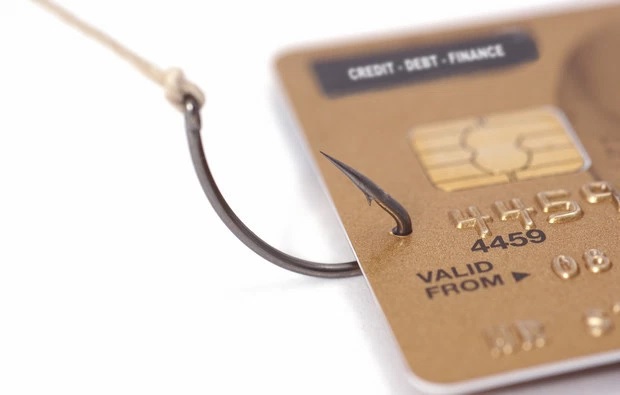
Valdir Paulo de Almeida went down in history as the biggest spammer: at the time of his arrest, Valdira was sending out about three million phishing emails a day. The malicious mailing list spread "Trojans" - viruses that penetrate the devices of online banking users. According to rough estimates, this allowed the "king of spammers" to enrich themselves by $ 37 million.
Hacking Heartland Payment System (2010)

Again a large-scale attack on banks, this time prepared by the Cuban Alberto Gonzalez. The talented young man earned more than $ 10 million from the stolen data, mainly by reselling information. He buried at least one-tenth of the proceeds in the garden of his parents' house, where the police found it. Despite the hacker's remorse, the court sentenced him to twenty years in prison.
Hacking NASDAQ (2013)

Another major cybercrime, organized by Russian and Ukrainian hackers: a group of cyber fraudsters hacked the security system of the NASDAQ electronic exchange and gained access to the largest retail chains and banks in Europe and the United States. The damage caused is estimated at hundreds of millions of dollars. So far, only one attacker has been caught - Russian Dmitry Smilyanets.
Based on materials from DekaTop
Hacking Citibank (1994)
This cyber-terrorist act was organized by a Russian from the city of St. Petersburg Vladimir Levin. He was able to penetrate the bank's internal network and transfer more than $ 10 million to accounts in the United States, Finland, Israel and other countries. True, all transfers with the exception of $ 400 thousand were blocked, and Levin was caught and sentenced to three years in prison.
Hack PayPal (2000)
Chelyabinsk hackers took part in this crime: Vasily Gorshkov and Alexey Ivanov penetrated the corporate networks of PayPal, Western Union and Nara Bank. Using ordinary home computers, they stole 16 thousand credit card numbers and caused damage totaling $ 25 million. In 2000, the FBI managed to catch the burglars: friends received three and four years in prison, respectively.
Hacking Microsoft (2004)
On February 12, 2004, it became known about the theft of the source code of the Windows 2000 operating system. Microsoft Corporation announced that 600 million bytes of data, 31 thousand files and 13.5 million lines of code were stolen - soon all the stolen data was leaked online. The criminals were never found.
Phishing King (2005)
Valdir Paulo de Almeida went down in history as the biggest spammer: at the time of his arrest, Valdira was sending out about three million phishing emails a day. The malicious mailing list spread "Trojans" - viruses that penetrate the devices of online banking users. According to rough estimates, this allowed the "king of spammers" to enrich themselves by $ 37 million.
Hacking Heartland Payment System (2010)
Again a large-scale attack on banks, this time prepared by the Cuban Alberto Gonzalez. The talented young man earned more than $ 10 million from the stolen data, mainly by reselling information. He buried at least one-tenth of the proceeds in the garden of his parents' house, where the police found it. Despite the hacker's remorse, the court sentenced him to twenty years in prison.
Hacking NASDAQ (2013)
Another major cybercrime, organized by Russian and Ukrainian hackers: a group of cyber fraudsters hacked the security system of the NASDAQ electronic exchange and gained access to the largest retail chains and banks in Europe and the United States. The damage caused is estimated at hundreds of millions of dollars. So far, only one attacker has been caught - Russian Dmitry Smilyanets.
Based on materials from DekaTop


