

Tomcat
Professional
- Messages
- 2,695
- Reaction score
- 1,072
- Points
- 113
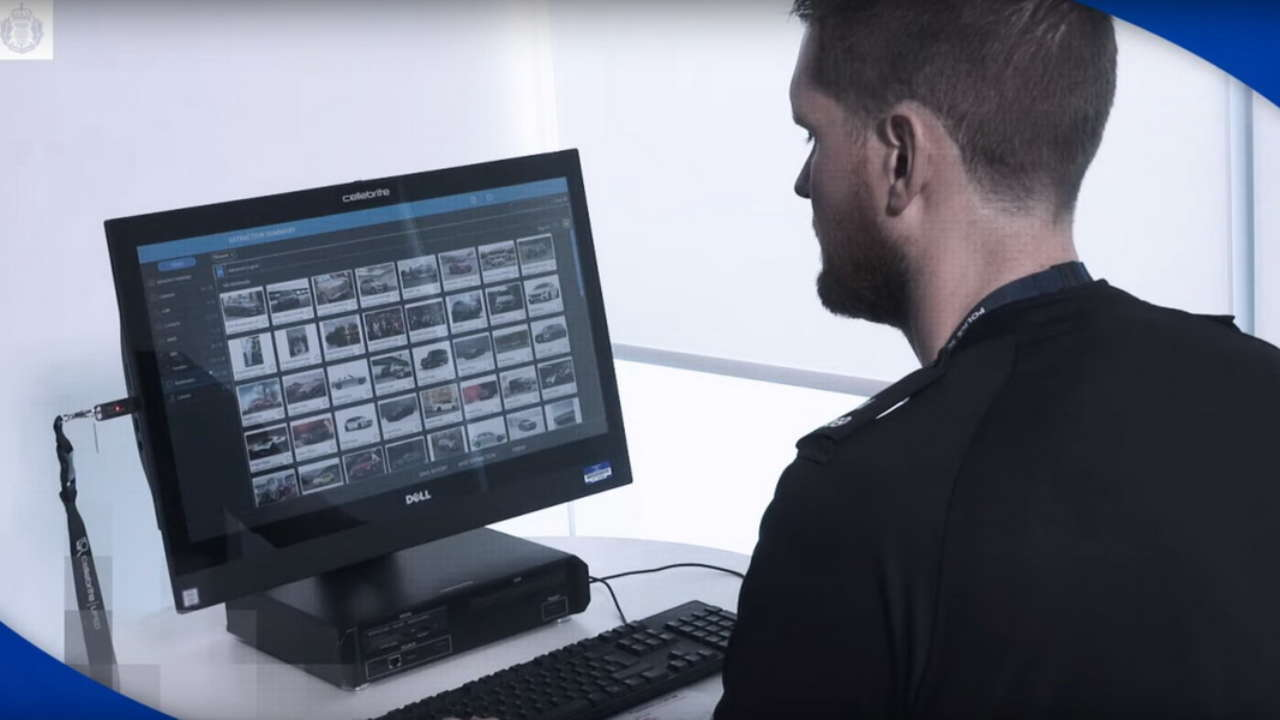
While Apple and the FBI again found a reason for conflict (again it was necessary to hack the criminal's iPhone, which the law enforcement officers themselves were unable to do), the Scottish police do not have such problems. It became known that the Scots are officially adopting Cellebrite equipment and will soon be installing 41 specialized "cyberkiosks" in police stations across the country. The deployment of terminals should begin today, January 20, and be completed by the end of May 2020.
Let me remind you that the Israeli company Cellebrite are independent cybercriminals who specialize in extracting data from mobile devices. For example, several years ago, an Israeli firm was named the main candidate for the role of an FBI contractor when law enforcement officers were looking for specialists to hack a terrorist's iPhone.
Although in the end the FBI used the services of other experts, Cellebrite's candidacy looked quite reasonable, because the company has long and closely cooperated with the American police, and law enforcement officers pay cybercriminals millions of dollars. It is worth noting that there are at least two similar solutions on the market (from Cellebrite and GrayShift), the manufacturers of which claim that with their help you can pick up the lock code and extract data from any iPhone model running on the current or older version of iOS.
As it became known, soon the Scottish police will use Cellebrite solutions on a permanent basis. The £ 370,000 computers will be used to view data from locked iOS and Android phones during criminal investigations. Selected employees will be able to use cyber kiosks, whenever possible, to examine the seized devices and determine if the data on them is relevant to specific investigations and whether the gadgets need to be sent to the lab to retrieve the content. The kiosks themselves will not keep any copies of this data. The video below demonstrates the work of such a "cyber skier".
Hacking smartphones works differently: it all depends on the combination of hardware, operating system and version. The fact is that this is a kind of arms race - Apple and Google regularly patch vulnerabilities used for such attacks. For example, Cellebrite claims that at times its hardware copies its own bootloader into the RAM of some phone models and runs it to bypass security mechanisms (PDF). In other cases, such as on Android devices, Cellebrite's solutions attempt to root. The equipment can also be used to exploit vulnerabilities in device firmware, including iOS devices, for full data extraction.

