

Carding Forum
Professional
- Messages
- 2,788
- Reaction score
- 1,363
- Points
- 113
On the one hand, it is convenient when the refrigerator itself orders milk. On the other hand, there are a number of dangers here. Which ones? Read in the article.
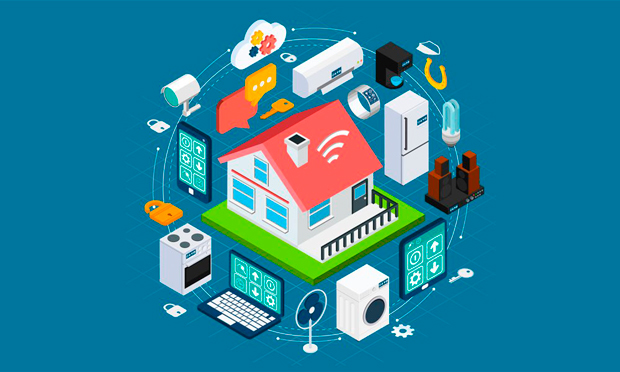
How hackers use IoT devices for their own purposes.
Smart technology is becoming widespread, including in Ukraine. Refrigerators, coffee makers, microwave ovens, lighting devices receive microprocessors and capabilities are much wider than their predecessors. But most importantly, they are often endowed with the function of Internet access and control using smartphones and PCs. And this already conceals not only new opportunities, but also risks. What dangers are posed by devices from the world of the Internet of Things - said the experts of the antivirus company Zillya!
To date, there are already quite a lot of such devices on sale. Well, isn't it convenient, while on the road, to turn on the floor heating in the apartment from your smartphone via the mobile Internet, make yourself coffee via a connection to a network-connected coffee machine just in time for coming home, or set up a refrigerator for orders in an online store, milk delivery by certain days?
However, along with the obvious benefits, these features make us more vulnerable and can cause problems with tracking and loss of confidential information and money.
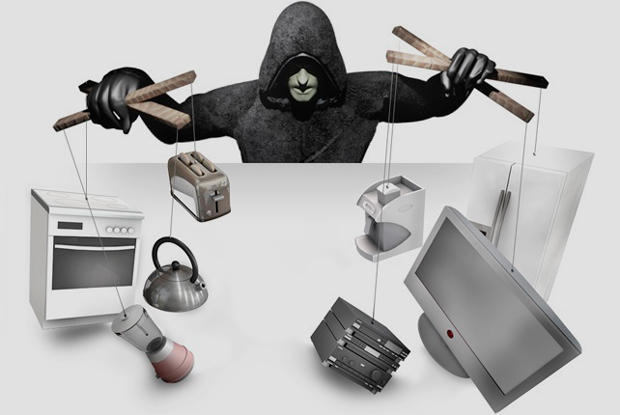
The main threats to the IoT.
Like any device endowed with certain software functionality, any connected device can be hacked with the help of malware.
The main threat resulting from such a hack is the loss of control over the functionality of the device. A compromised device, subject to Internet access, can be controlled from the outside. Thus, a third party can perform actions with the device that do not depend on the desire of its direct user.
In addition, hacked IoT devices can be used to spy on their owner, noting, for example, his daily routine, taste preferences. They also become elements of tracking, subject to the presence of sound detecting devices and video cameras.
The most dangerous option for such unauthorized activity can be the use of programs that will track and steal confidential information on your home or Wi-Fi network. For example, infecting a PC or smartphone with a banking Trojan through a connection to an infected device may result in the loss of money on the card account.
More often than not, compromised devices become part of IoT botnets - millions of similar devices that have been compromised by hackers who have gained complete control over these devices. With the help of such botnets, attackers can carry out large-scale DDos attacks on information resources on the Internet, provided that the infected devices have access to the Internet.
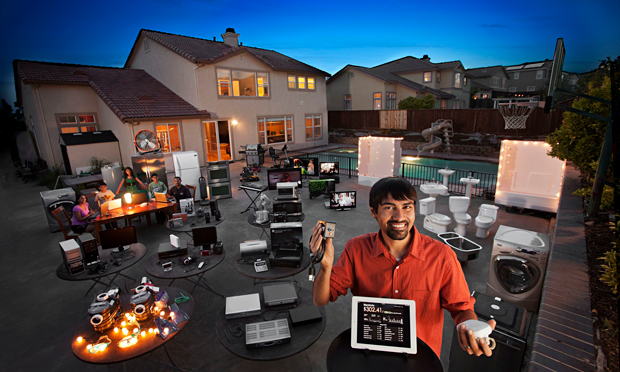
Smart technology is becoming widespread, including in Ukraine.
Since a device from the world of the Internet of Things can be anything, today there are many interesting examples of how jailbroken smart devices "behave".
For example, in one of the electronics stores, a modern refrigerator independently went to a porn site and displayed the contents on its 10-inch touch screen. An interesting addition to the ability to control the device and access the Internet, isn't it?
What are the management hacks of the so-called "smart houses", when the owner finds himself in the center of a kaleidoscope of blinking light bulbs, blinds opening and closing, music on devices and chaotic control of the heating system.
In the United States, there is a known case of hacking of motion sensors, which regulated the automatic opening and closing of doors in the room, as a result of which the owner of the house was locked in the room, and the attackers robbed his house at that time.
Another interesting case was recorded last year, when hackers, for fun, were able to access a "smart" air freshener that worked hard when the owner of the house appeared, creating an incredibly fragrant atmosphere for him and completely emptying a fragrance bottle in a matter of minutes.
There are already thousands of such funny and not so funny examples. Their number will continue to grow until sufficient attention is paid to the cybersecurity of IoT devices.
How hackers use IoT devices for their own purposes.
Smart technology is becoming widespread, including in Ukraine. Refrigerators, coffee makers, microwave ovens, lighting devices receive microprocessors and capabilities are much wider than their predecessors. But most importantly, they are often endowed with the function of Internet access and control using smartphones and PCs. And this already conceals not only new opportunities, but also risks. What dangers are posed by devices from the world of the Internet of Things - said the experts of the antivirus company Zillya!
What is IoT
The Internet of Things, or IoT for short, embodies technological progress that is becoming available to everyone. The achievements of science and technology used by man today have become commonplace in communication media - smartphones, PCs, tablets. No one is surprised by the widespread use of such data transfer methods as Wi-Fi, 3G and even 4G. These technologies are increasingly becoming part of the functionality of household appliances, which is still a certain curiosity.To date, there are already quite a lot of such devices on sale. Well, isn't it convenient, while on the road, to turn on the floor heating in the apartment from your smartphone via the mobile Internet, make yourself coffee via a connection to a network-connected coffee machine just in time for coming home, or set up a refrigerator for orders in an online store, milk delivery by certain days?
However, along with the obvious benefits, these features make us more vulnerable and can cause problems with tracking and loss of confidential information and money.
IoT Threats
The main threats to the IoT.
Like any device endowed with certain software functionality, any connected device can be hacked with the help of malware.
The main threat resulting from such a hack is the loss of control over the functionality of the device. A compromised device, subject to Internet access, can be controlled from the outside. Thus, a third party can perform actions with the device that do not depend on the desire of its direct user.
In addition, hacked IoT devices can be used to spy on their owner, noting, for example, his daily routine, taste preferences. They also become elements of tracking, subject to the presence of sound detecting devices and video cameras.
The most dangerous option for such unauthorized activity can be the use of programs that will track and steal confidential information on your home or Wi-Fi network. For example, infecting a PC or smartphone with a banking Trojan through a connection to an infected device may result in the loss of money on the card account.
More often than not, compromised devices become part of IoT botnets - millions of similar devices that have been compromised by hackers who have gained complete control over these devices. With the help of such botnets, attackers can carry out large-scale DDos attacks on information resources on the Internet, provided that the infected devices have access to the Internet.
Interesting examples of IoT hacking
Smart technology is becoming widespread, including in Ukraine.
Since a device from the world of the Internet of Things can be anything, today there are many interesting examples of how jailbroken smart devices "behave".
For example, in one of the electronics stores, a modern refrigerator independently went to a porn site and displayed the contents on its 10-inch touch screen. An interesting addition to the ability to control the device and access the Internet, isn't it?
What are the management hacks of the so-called "smart houses", when the owner finds himself in the center of a kaleidoscope of blinking light bulbs, blinds opening and closing, music on devices and chaotic control of the heating system.
In the United States, there is a known case of hacking of motion sensors, which regulated the automatic opening and closing of doors in the room, as a result of which the owner of the house was locked in the room, and the attackers robbed his house at that time.
Another interesting case was recorded last year, when hackers, for fun, were able to access a "smart" air freshener that worked hard when the owner of the house appeared, creating an incredibly fragrant atmosphere for him and completely emptying a fragrance bottle in a matter of minutes.
There are already thousands of such funny and not so funny examples. Their number will continue to grow until sufficient attention is paid to the cybersecurity of IoT devices.


