

Tomcat
Professional
- Messages
- 2,695
- Reaction score
- 1,072
- Points
- 113
Check Point experts estimate that the number of coronavirus-related cyberattacks continues to grow, and attacks by sites posing as Netflix services have doubled.
The total number of cyberattacks has declined since the start of the coronavirus pandemic and the subsequent economic downturn, researchers say. However, the number of attacks associated with COIVD-19 has grown dramatically against this background.
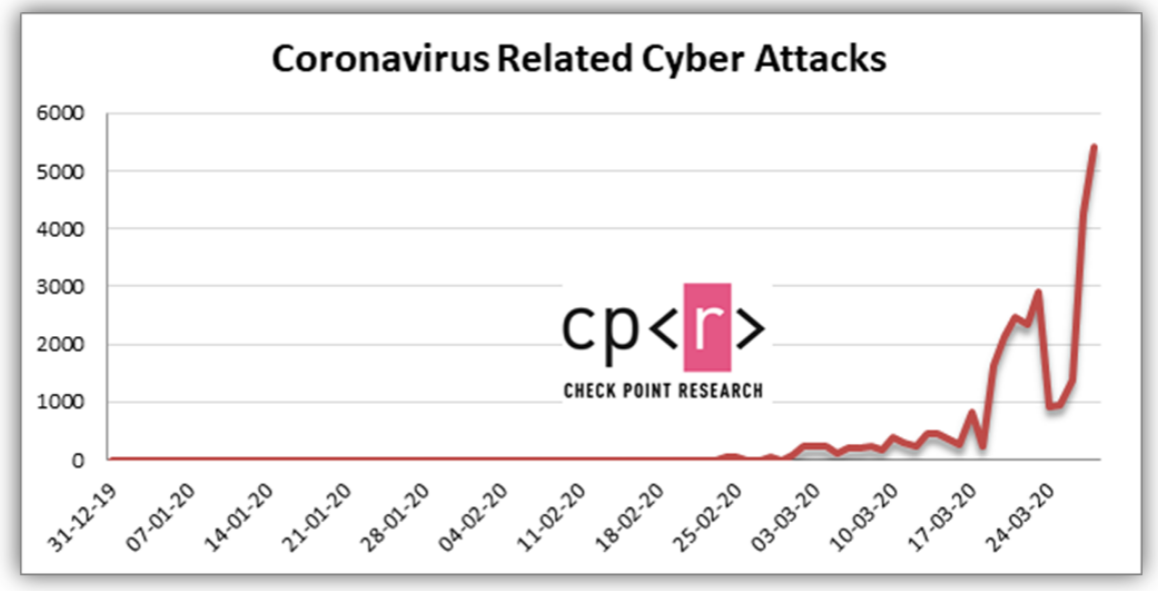
Between January and March 2020, researchers recorded a 17% monthly decline in hacker attacks against organizations worldwide. However, there has been a significant increase in coronavirus-related attacks since mid-February. Thus, in the last two weeks alone, their number has risen sharply from several hundred to over 5,000 per day. On average, more than 2,600 attacks occur daily.
The following resources are potentially malicious:
- sites with the mention of the words "corona" or "covid" in the domain;
- files whose names include the word "corona" or related words;
- files distributed by email mentioning coronavirus in the subject line.
Over the past two weeks, more than 30,103 new domains related to the topic of coronavirus have been registered, of which 0.4% (131) were found to be malicious, 9% (2,777) - suspicious. This brings a total of over 51,000 coronavirus-related domains registered since January 2020.

Also, the pandemic and the general shift to telecommuting led to an increase in the number of Netflix subscribers, which, in turn, sparked interest in the streaming platform from the side of scammers. Over the past two weeks, there has been a twofold increase in phishing attacks from sites posing as original Netflix sites. On some of these sites, fraudsters install payment systems in order to fraudulently obtain money and personal data of users.

Fake Netflix
“It is obvious that the significant increase in the number of cyberattacks is associated with the active spread of news about the coronavirus around the world. Due to the fact that now a large number of people are forced to work from home, scammers have shifted their focus from large businesses to private users. As a result, we are seeing an increase in malicious attacks on resources such as Zoom or Netflix, ”says Vasily Diaghilev, Head of Check Point Software Technologies in Russia and the CIS. - In order not to become another victim of cyber fraudsters, it is extremely important to exercise increased caution and attentiveness. This is especially true for suspicious sites, links or files received through the mailing list. "
Check Point experts advise you to adhere to the following guidelines for safe online behavior in order to avoid becoming a victim of online fraud:
- Look out for spelling mistakes in site names and mailing lists.
- Be careful with files received by e-mail from unknown senders, especially if you are asked to perform an atypical action when opening them.
- Make sure you are ordering from an official store. One way to do this is not to follow the links with ads from emails, but to find the company you need in Google or Yandex and follow the link on the search results page.
- Beware of "special offers". For example, the offer of "an exclusive cure for coronavirus for 12,000 rubles" should be questionable.
- Make sure you use different passwords for each app and each account.

